


What Is a Firewall? Definition, Types, and Why Firewall Security Matters for Business
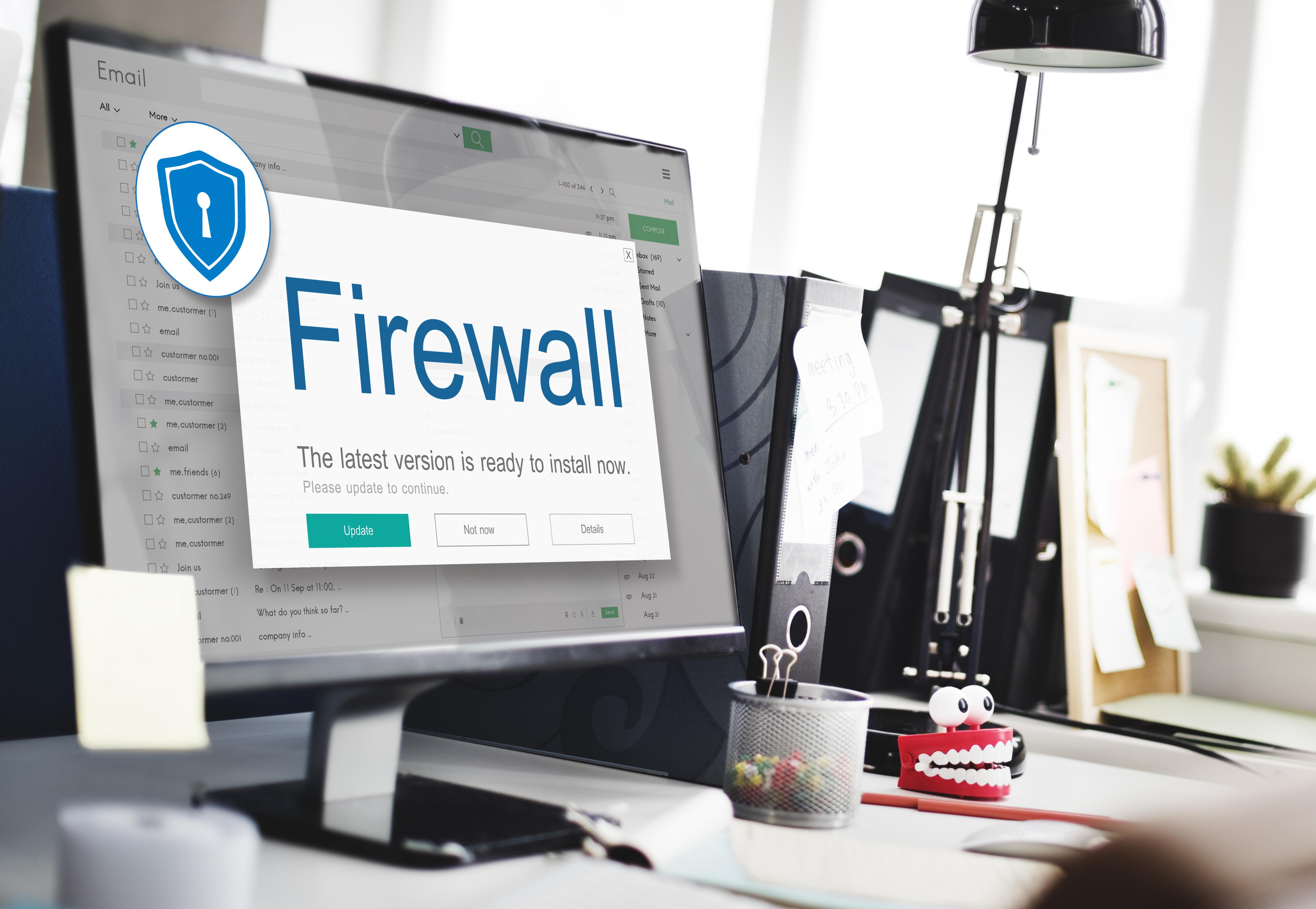
Cyber threats are no longer isolated incidents—they are constant, automated, and increasingly sophisticated. From ransomware campaigns to phishing attacks and unauthorized network access, businesses of all sizes face real and growing risks. For B2B organizations handling client data, financial records, intellectual property, or regulated information, even a minor security lapse can result in major financial and reputational damage.
At the core of a strong cybersecurity foundation lies one essential control: a firewall. While many organizations understand the term, fewer truly grasp what a firewall does, how different types function, and why professional firewall setup is critical in modern business networks. Whether you are exploring how to setup a firewall, improving firewall security, or evaluating options for Firewall Setup for Small Business, this guide offers practical, experience-based insight designed for business leaders, IT managers, and decision-makers.
Understanding What a Firewall Is
A firewall is a network security system that monitors and controls incoming and outgoing traffic based on predefined security rules. It acts as a barrier between a trusted internal network and untrusted external networks—typically the internet.
In simple terms, a firewall decides which traffic is allowed to enter or leave your network and which traffic should be blocked. It filters data packets using rules based on:
-
IP addresses
-
Ports
-
Protocols
-
Applications
-
Behavior patterns
Think of a firewall as a security guard at the entrance to your corporate building. It verifies credentials, checks identities, and ensures that only authorized individuals gain access.
In business environments, this control is not optional. It is foundational.
Why Firewalls Are Critical for B2B Organizations
For B2B companies, the stakes are high. You are not just protecting your own data—you are safeguarding your clients’ information, contracts, and operational systems.
Here is why robust firewall security is non-negotiable:
-
Protects sensitive customer and financial data
-
Prevents unauthorized access to internal systems
-
Reduces the risk of ransomware and malware infections
-
Supports regulatory compliance (HIPAA, PCI-DSS, SOC 2, etc.)
-
Enables secure remote access for distributed teams
-
Helps detect suspicious traffic patterns
A well-designed firewall configuration does more than block threats. It provides visibility, control, and monitoring capabilities that strengthen your entire cybersecurity posture.
How Firewalls Work in Business Networks
To understand how to setup a firewall properly, it helps to understand how it functions at a technical level.
When data travels across networks, it is broken into packets. Each packet contains:
-
Source address
-
Destination address
-
Protocol type
-
Payload (actual data)
A firewall inspects this packet information and compares it against predefined rules. If a packet matches approved criteria, it passes through. If not, it is denied or flagged for review.
Modern firewalls go beyond basic filtering. Advanced systems include:
-
Deep packet inspection
-
Intrusion detection and prevention
-
Application-layer filtering
-
Threat intelligence integration
-
VPN support
-
Real-time monitoring dashboards
This layered approach significantly strengthens firewall security across business environments.
Types of Firewalls Explained
Not all firewalls are created equal. Understanding different types helps businesses choose the right solution for their network architecture.
1. Packet-Filtering Firewalls
This is the most basic type of firewall. It filters traffic based on:
-
Source and destination IP address
-
Port number
-
Protocol
It is fast and efficient but does not inspect packet contents deeply. It is suitable for simple network setups but insufficient for modern threat landscapes.
2. Stateful Inspection Firewalls
Stateful firewalls track active connections and evaluate packets based on the context of those sessions.
They provide stronger security than packet-filtering models by understanding:
-
Whether a packet is part of an established connection
-
Whether traffic flow is legitimate
Most business-grade firewall solutions today include stateful inspection capabilities.
3. Proxy Firewalls (Application-Level Gateways)
Proxy firewalls act as intermediaries between users and external networks. Instead of allowing direct communication, they:
-
Receive requests
-
Evaluate them
-
Forward approved requests
This provides stronger isolation and better control over application traffic.
4. Next-Generation Firewalls (NGFW)
Next-generation firewalls represent the evolution of traditional firewalls. They include:
-
Deep packet inspection
-
Intrusion prevention systems (IPS)
-
Malware protection
-
Application awareness
-
User identity tracking
-
Encrypted traffic inspection
For organizations focused on advanced firewall security, NGFW solutions are often the preferred choice.
5. Cloud Firewalls
As businesses migrate to cloud platforms, traditional hardware-based firewalls are no longer sufficient. Cloud firewalls:
-
Protect virtual networks
-
Monitor cloud traffic
-
Secure SaaS applications
-
Scale dynamically
They are especially important for hybrid or fully remote businesses.
6. Hardware vs. Software Firewalls
Hardware firewalls are physical devices installed between your network and internet connection. They provide centralized protection for entire networks.
Software firewalls run on individual devices and protect specific endpoints.
Most businesses benefit from combining both approaches for layered protection.
The Role of Firewall Setup in Small Business Environments
Many small businesses assume they are too small to be targeted. Unfortunately, this is a costly misconception. Cybercriminals often target small organizations because they typically have weaker defenses.
A properly implemented Firewall Setup for Small Business should:
-
Segment internal networks
-
Protect Wi-Fi networks
-
Secure remote access connections
-
Block unauthorized applications
-
Monitor suspicious outbound traffic
-
Log and report security events
Small businesses handling payment processing, healthcare data, legal documents, or client portals must treat firewall configuration as a strategic investment, not an IT afterthought.
How to Setup a Firewall the Right Way
Understanding how to setup a firewall goes beyond plugging in a device. Professional implementation requires strategic planning.
Here is what a comprehensive process typically involves:
1. Network Assessment
Before deployment, you must evaluate:
-
Existing infrastructure
-
Network topology
-
Devices and endpoints
-
Applications in use
-
Compliance requirements
2. Define Security Policies
Clear policies determine what is allowed and denied. These rules should align with:
-
Business operations
-
Remote work requirements
-
Regulatory obligations
-
Risk tolerance
3. Proper Rule Configuration
Misconfigured firewall rules are one of the leading causes of security breaches.
Best practices include:
-
Deny-by-default policies
-
Least privilege access
-
Regular rule audits
-
Eliminating outdated entries
4. Segmentation
Network segmentation isolates departments, devices, or functions. For example:
-
Guest Wi-Fi separated from internal network
-
Finance systems isolated from general access
-
Production servers protected from user traffic
Segmentation reduces lateral movement in case of breach.
5. Monitoring and Logging
Effective firewall security includes ongoing monitoring.
You should enable:
-
Real-time alerts
-
Threat logs
-
Traffic analysis
-
Automated reporting
6. Regular Updates and Patching
Cyber threats evolve daily. Firewalls must receive:
-
Firmware updates
-
Security patches
-
Threat intelligence updates
Failure to update is equivalent to leaving a door unlocked.
Common Firewall Setup Mistakes Businesses Make
Even companies that invest in security sometimes make critical errors.
Here are frequent issues:
-
Leaving default credentials unchanged
-
Overly permissive access rules
-
Ignoring outbound traffic monitoring
-
Failing to enable logging
-
Not performing regular audits
-
Skipping professional configuration
When businesses search for how to setup a firewall, they often underestimate complexity. Professional guidance reduces costly mistakes.
Firewall Security in a Hybrid Workforce Era
Remote work has permanently changed network design. Employees connect from:
-
Home networks
-
Public Wi-Fi
-
Mobile devices
-
Personal laptops
Modern firewall security must support:
-
Secure VPN access
-
Multi-factor authentication
-
Endpoint validation
-
Zero-trust principles
A strong firewall solution ensures that only verified users and devices can access company systems.
Compliance and Regulatory Considerations
Industries such as healthcare, finance, and legal services face strict data protection requirements.
Firewalls help support compliance by:
-
Restricting unauthorized access
-
Maintaining access logs
-
Segmenting sensitive data environments
-
Enforcing encryption policies
Organizations that ignore proper firewall implementation risk fines, audits, and contract losses.
The Business Impact of Strong Firewall Protection
The benefits extend beyond technical security.
A well-executed Firewall Setup for Small Business contributes to:
-
Increased client trust
-
Reduced downtime
-
Improved operational continuity
-
Lower cyber insurance premiums
-
Better incident response readiness
For B2B companies, security is not just protection—it is a competitive advantage.
Signs Your Business Needs a Firewall Upgrade
You may need to reassess your firewall strategy if:
-
Your firewall is over 5 years old
-
You have expanded to cloud services
-
Remote workforce has increased
-
You experienced a recent security incident
-
You lack visibility into network traffic
-
Your firewall logs are never reviewed
Outdated systems create blind spots attackers exploit.
Integrating Firewalls with Broader Cybersecurity Strategy
A firewall is essential but not standalone.
It should integrate with:
-
Endpoint protection
-
Email security solutions
-
Security information and event management (SIEM)
-
Intrusion detection systems
-
Backup and disaster recovery plans
Layered defense dramatically improves resilience.
Cost Considerations for Firewall Setup
Pricing varies depending on:
-
Business size
-
Network complexity
-
Hardware requirements
-
Licensing
-
Ongoing monitoring services
While small organizations may hesitate due to cost, the average cost of a data breach far exceeds investment in proactive protection.
The Future of Firewall Technology
Emerging trends include:
-
AI-driven threat detection
-
Behavioral traffic analysis
-
Cloud-native firewalls
-
Zero-trust architecture integration
-
Automated policy optimization
Businesses planning long-term growth should choose scalable solutions that evolve alongside operations.
Frequently Asked Questions
1. What is a firewall in simple terms?
A firewall is a security system that monitors and controls network traffic, allowing authorized data to pass while blocking unauthorized access.
2. Why is firewall security important for businesses?
It protects sensitive business data, prevents cyberattacks, supports compliance, and ensures secure remote access.
3. What are the main types of firewalls?
The primary types include packet-filtering, stateful inspection, proxy firewalls, next-generation firewalls, and cloud firewalls.
4. How does a next-generation firewall differ from a traditional firewall?
Next-generation firewalls include advanced features such as intrusion prevention, application awareness, and deep packet inspection.
5. How often should firewall rules be reviewed?
Firewall rules should be audited at least quarterly or after major infrastructure changes.
6. Can small businesses rely on basic router firewalls?
Basic router firewalls are insufficient for business-grade protection. Professional Firewall Setup for Small Business is recommended.
7. What is the difference between hardware and software firewalls?
Hardware firewalls protect entire networks, while software firewalls protect individual devices.
8. Does firewall setup require professional assistance?
While technically possible to configure internally, professional setup ensures optimized security and reduced misconfiguration risks.
9. Can a firewall stop ransomware?
A firewall can block malicious traffic and unauthorized access, significantly reducing ransomware risk, but it should be part of a layered defense strategy.
10. How do I know if my firewall is working properly?
Regular monitoring, log reviews, penetration testing, and security audits help confirm firewall effectiveness.
Final Thoughts
In today’s threat landscape, a firewall is not optional—it is foundational. From protecting client data to enabling secure growth, effective firewall security plays a central role in business continuity. Whether you are researching how to setup a firewall, strengthening existing infrastructure, or planning a comprehensive Firewall Setup for Small Business, the right configuration can dramatically reduce risk.
For organizations seeking reliable, scalable, and professionally managed firewall solutions, partnering with an experienced IT provider makes the difference between reactive security and proactive protection. Companies like IT in DFW specialize in designing, implementing, and maintaining secure firewall environments tailored to business needs.
Invest wisely. Secure strategically. And treat your firewall not as a device—but as a core pillar of your business defense system.

 English
 French
 Spanish
 Portuguese
 Deutsch
 Turkish
 Dutch
Dutch
 Italiano
 Russian
 Romaian
 Portuguese (Brazil)
 Greek
Greek
