United States Seafood Market Size & Forecast 2026–2034
The United States seafood industry is poised for steady expansion over the next decade. According to Renub Research, the U.S. Seafood Market is projected to grow from US$ 24.11 billion in 2025 to US$ 28.89 billion by 2034, registering a Compound Annual Growth Rate (CAGR) of 2.03% from 2026 to 2034.
While growth may appear moderate compared to other food sectors, the industry’s resilience is anchored in strong consumer demand for healthy protein, sustainable sourcing, and diversified distribution channels. From coastal fisheries to inland supermarkets and digital seafood subscriptions, the U.S. seafood ecosystem continues to evolve with shifting dietary patterns and technological innovation.
United States Seafood Market Outlook
Seafood includes edible marine life such as fish, shellfish, and crustaceans. In the U.S., popular choices include shrimp, salmon, tuna, crab, cod, and oysters. Beyond culinary appeal, seafood is widely recognized for its nutritional benefits—particularly its rich omega-3 fatty acids, lean protein, and essential vitamins.
In recent years, seafood consumption has gained renewed momentum. Rising health consciousness, environmental awareness, and interest in global cuisines have contributed to this growth. Sushi, poke bowls, seafood festivals, and farm-to-table dining concepts have reinforced seafood’s cultural and culinary appeal across urban and suburban markets.
While coastal states remain strongholds for seafood production and consumption, inland demand has expanded significantly due to improved cold-chain logistics and retail availability. Consumers increasingly seek fresh, seasonal, and sustainably sourced seafood, making traceability and eco-certification critical market differentiators.
Key Growth Drivers in the United States Seafood Market
Increasing Health and Wellness Trends
Health-focused consumers are at the center of seafood demand growth. Seafood is considered a heart-healthy alternative to red meat, offering high protein and low saturated fat content. Public health initiatives and medical endorsements further encourage seafood consumption as part of balanced diets.
Organizations such as the National Fisheries Institute report that per-capita seafood consumption has seen notable improvements in recent years. Salmon consumption, in particular, has surged due to its premium health positioning and ready-to-cook availability at major retailers.
Retail giants like Costco and Whole Foods Market have expanded fresh and packaged seafood offerings. Meal-kit services such as Blue Apron and HelloFresh frequently feature seafood recipes, encouraging home-based fish consumption.
As Americans prioritize heart health, weight management, and protein-rich diets, seafood is increasingly becoming a staple rather than an occasional indulgence.
Growing Aquaculture and Imports
Domestic aquaculture production is rising steadily, particularly for salmon, catfish, and shellfish. Meanwhile, imports from Southeast Asia and Latin America ensure year-round availability of shrimp and other high-demand species.
Federal oversight mechanisms such as the Seafood Import Monitoring Program play a crucial role in ensuring transparency and preventing illegal or misrepresented seafood from entering U.S. markets. These safeguards enhance consumer confidence and promote sustainable global trade.
Technological improvements in aquaculture—including disease management, feed optimization, and environmentally responsible farming—are improving yields while minimizing ecological impact. Together, domestic production and imports create a stable supply environment that supports long-term market expansion.
Expansion of E-Commerce and Direct-to-Consumer Sales
Online grocery shopping has transformed seafood retail. Direct-to-consumer seafood brands now offer fresh, frozen, and specialty items delivered directly to households.
Subscription-based seafood boxes, premium traceability labels, and cold-chain logistics innovations have made online seafood purchases more reliable than ever. Campaigns led by groups such as the Seafood Nutrition Partnership have promoted direct-to-consumer channels to boost seafood awareness and sales.
The post-pandemic digital shift continues to influence consumer purchasing habits. Online platforms not only expand geographic reach but also allow niche seafood producers to access national audiences.
Challenges Facing the U.S. Seafood Market
Sustainability and Overfishing Concerns
Environmental sustainability remains a major industry concern. Overfishing, bycatch, and marine habitat degradation pose risks to long-term supply stability.
Brands face mounting pressure to adopt sustainable fishing practices, certification standards, and full traceability systems. While eco-labeling builds consumer trust, compliance increases operational costs and may limit supply in certain categories.
Balancing environmental responsibility with profitability will remain a defining challenge for market participants.
Supply Chain and Price Volatility
Seafood supply chains are sensitive to climate events, geopolitical tensions, fuel price fluctuations, and labor shortages. Seasonal variations and transportation bottlenecks contribute to retail price volatility.
For consumers, fluctuating seafood prices can affect purchase frequency. For suppliers and retailers, maintaining margins amid rising costs demands operational efficiency and diversified sourcing strategies.
Segment Analysis
United States Fish Market
Fish represents a significant portion of total seafood consumption, led by salmon, tuna, and cod. Salmon continues to dominate due to its nutritional reputation and culinary versatility.
Imports from Norway, Canada, and Chile supplement domestic production, ensuring consistent supply. Demand from both retail and foodservice channels reinforces fish as the cornerstone of the U.S. seafood industry.
United States Shrimp Market
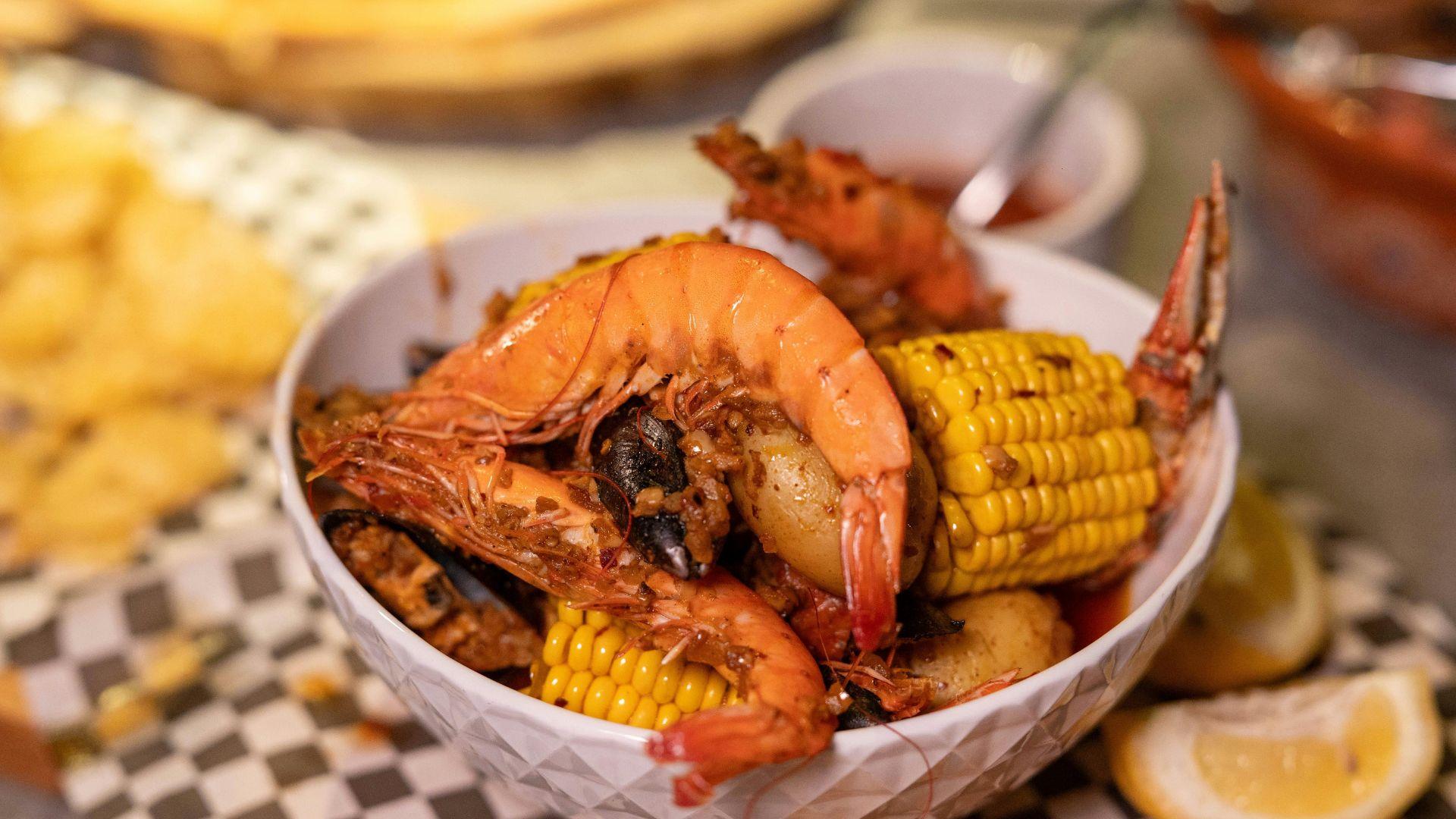
Shrimp remains the most consumed seafood product in America. The majority of shrimp is imported from India, Ecuador, and Indonesia.
Consumers increasingly prefer peeled, deveined, and ready-to-cook shrimp products, aligning with convenience-driven lifestyles. Restaurants and quick-service chains prominently feature shrimp dishes, sustaining high demand levels.
Though disease outbreaks in shrimp farming and sustainability concerns pose risks, ongoing aquaculture innovation continues to stabilize supply.
Fresh and Chilled Seafood Market
Fresh seafood is strongly associated with quality and nutrition. Supermarkets are expanding seafood counters and offering locally sourced varieties to attract health-conscious shoppers.
Advancements in refrigeration and logistics allow fresh seafood to reach inland markets more efficiently. Despite higher price points, fresh seafood remains popular in metropolitan regions.
Frozen Seafood Market
Frozen seafood is gaining popularity due to affordability, extended shelf life, and convenience. Modern freezing technologies preserve texture and nutritional value, narrowing the perceived gap between fresh and frozen products.
Retailers increasingly offer frozen fillets, shrimp, and ready-to-cook seafood meals, making frozen options a reliable household staple.
Online Seafood Market
Online seafood retail is among the fastest-growing distribution channels. E-commerce platforms enable consumers to access specialty seafood products previously limited to coastal regions.
Subscription services and premium seafood brands leverage traceability and sustainability messaging to attract affluent consumers. The convenience of doorstep delivery continues to reshape buying behavior nationwide.
Convenience Store Seafood Market
Convenience stores are expanding seafood snack offerings, including packaged tuna, smoked fish, and ready-to-eat items. Urban lifestyles and demand for protein-rich snacks support this segment’s gradual expansion.
Though product variety remains narrower compared to supermarkets, innovation in packaging and prepared foods strengthens the channel’s growth potential.
Regional Insights
California Seafood Market
California leads the U.S. seafood landscape due to its extensive coastline, diverse population, and strong culinary culture. Sustainability initiatives and eco-labeling programs significantly influence purchasing behavior.
Emerging seafood innovators such as BlueNalu are exploring alternative seafood technologies, positioning California as a forward-looking market.
New York Seafood Market
New York’s seafood market thrives on its urban density and diverse foodservice sector. High-end restaurants and ethnic cuisines drive demand for shellfish, specialty fish, and premium imports.
Proximity to major ports ensures consistent fresh supply, while specialty retailers and online platforms further expand market access.
New Jersey Seafood Market
New Jersey’s coastal fisheries and proximity to New York City strengthen its seafood economy. Known for clams, scallops, and bluefish, the state combines local harvest with strong retail and restaurant demand.
Sustainability and aquaculture practices are increasingly shaping regional market dynamics.
Market Segmentation
By Type
By Form
-
Fresh/Chilled
-
Canned
-
Frozen
-
Processed
By Distribution Channel
Off-Trade:
On-Trade:
By Top States
California, Texas, New York, Florida, Illinois, Pennsylvania, Ohio, Georgia, New Jersey, Washington, North Carolina, Massachusetts, Virginia, Michigan, Maryland, Colorado, Tennessee, Indiana, Arizona, Minnesota, Wisconsin, Missouri, Connecticut, South Carolina, Oregon, Louisiana, Alabama, Kentucky, and Rest of United States.
Competitive Landscape
Major players operating in the U.S. seafood market include:
Each company has been evaluated across five analytical viewpoints:
-
Overview
-
Key Personnel
-
Recent Developments
-
SWOT Analysis
-
Revenue Analysis
Competition is shaped by vertical integration, sustainable sourcing strategies, brand positioning, and cold-chain distribution capabilities.
Final Thoughts
The United States seafood market is entering a phase of measured but resilient growth. With Renub Research projecting expansion to US$ 28.89 billion by 2034, the industry demonstrates steady momentum anchored in health awareness, aquaculture innovation, and digital retail transformation.
While sustainability challenges and price volatility persist, technological advancements and evolving consumer preferences provide strong long-term fundamentals. As Americans continue prioritizing nutritious diets and environmentally responsible consumption, seafood will remain a critical component of the nation’s food economy.
From coastal fisheries to online subscription platforms, the U.S. seafood market is adapting—ensuring that demand for quality, convenience, and sustainability drives its growth well into 2034.




 English
 Arabic
 French
 Spanish
 Deutsch
 Turkish
 Dutch
Dutch
 Italiano
 Russian
 Romaian
 Portuguese (Brazil)
 Greek
Greek
