


Global Elevator & Escalator Market to Reach US$249 Billion by 2034
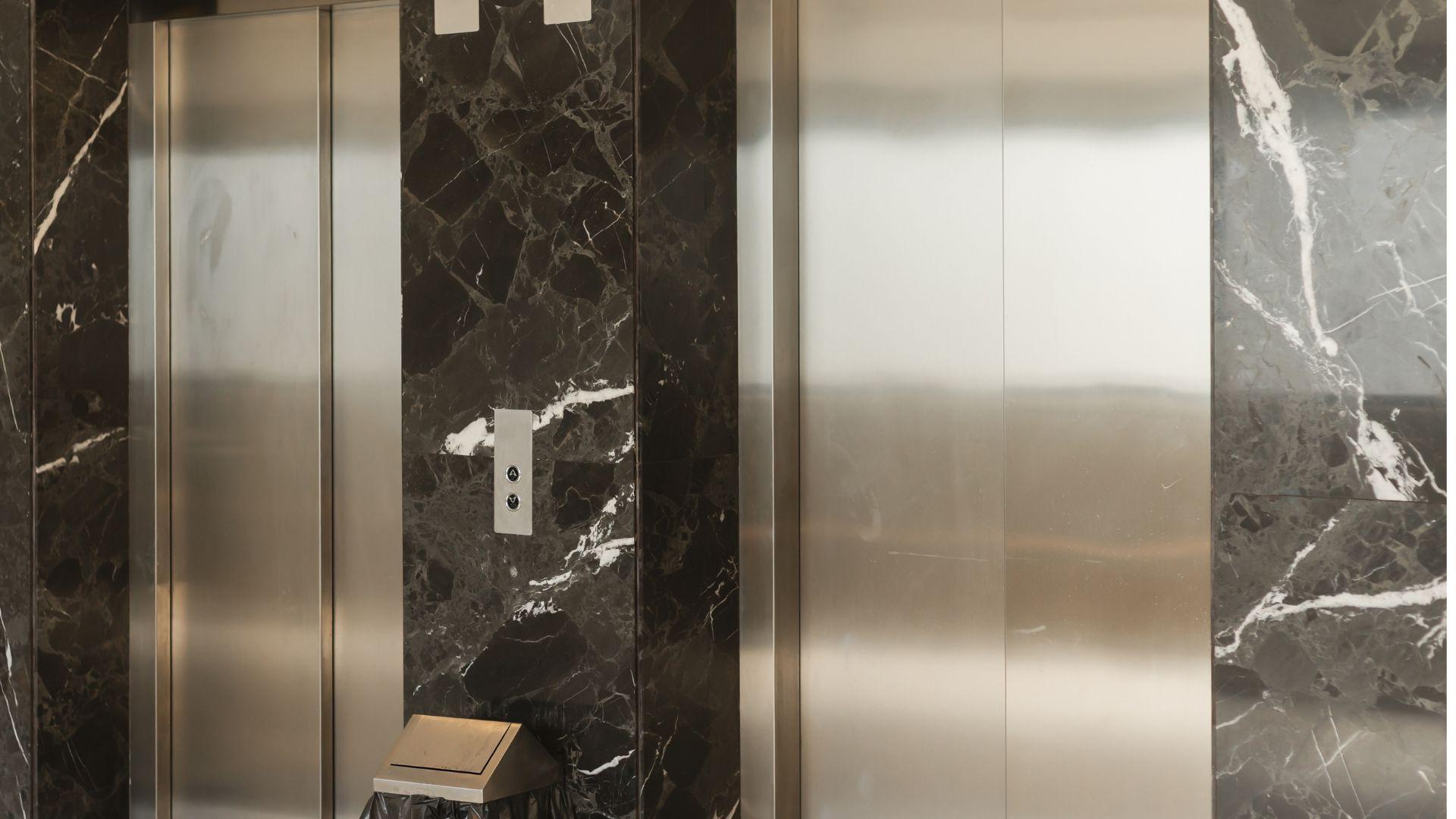
Global Elevator and Escalator Market Size & Forecast 2026–2034
The Global Elevator and Escalator Market is poised for steady expansion over the next decade. According to Renub Research, the market is projected to grow from US$ 163.44 Billion in 2025 to US$ 249.45 Billion by 2034, registering a Compound Annual Growth Rate (CAGR) of 4.81% during 2026–2034.
This sustained growth is largely fueled by rapid urbanization, the construction of high-rise buildings, large-scale infrastructure development, and the increasing adoption of smart and energy-efficient vertical transportation systems. As cities become denser and buildings taller, elevators and escalators have evolved from convenience tools into essential urban infrastructure components.
Download Free Sample Report:https://www.renub.com/request-sample-page.php?gturl=elevator-and-escalator-market-p.php
Global Elevator and Escalator Market Outlook
Elevators and escalators fall under the category of vertical transportation systems, designed to move people and goods efficiently between floors in buildings and public spaces.
-
Elevators are powered lifting systems that travel vertically within residential, commercial, and industrial buildings.
-
Escalators are moving staircases used in high-footfall areas such as malls, airports, railway stations, and metro hubs.
-
Moving walkways are horizontal or inclined transport systems commonly found in airports and large transit facilities.
The demand for vertical transport solutions has increased significantly due to:
-
Expansion of high-rise residential towers
-
Growth in commercial real estate
-
Urban transit infrastructure development
-
Aging population requiring accessibility solutions
Technological innovation is also transforming the industry. Smart elevators with destination control systems, regenerative drives, IoT-enabled predictive maintenance, and touchless features are redefining efficiency, safety, and passenger experience.
Key Growth Drivers
1. Rapid Urbanization and High-Rise Construction
Urbanization remains the strongest catalyst for the elevator and escalator market. As populations shift toward cities, the demand for vertical housing and commercial complexes increases. Limited land availability in urban centers encourages vertical expansion, making elevators indispensable.
Emerging economies across Asia, the Middle East, and Latin America are experiencing infrastructure booms that include:
-
Residential skyscrapers
-
Mixed-use developments
-
Commercial complexes
-
Public transit expansions
Escalators are equally essential in public facilities, particularly where large volumes of pedestrians must move seamlessly.
In February 2025, Lennar Corporation expanded its residential footprint by acquiring Rausch Coleman Homes, strengthening housing development across several U.S. markets—highlighting ongoing urban expansion trends in developed regions as well.
2. Infrastructure Development and Smart City Initiatives
Governments worldwide are investing heavily in transportation infrastructure, airports, metro rail systems, and smart city projects. Elevators and escalators are critical components of these developments.
Smart buildings increasingly require:
-
Intelligent traffic management systems
-
Energy-efficient mobility solutions
-
Integrated building automation systems
Public transit infrastructure—especially metros and airports—relies heavily on escalators to handle constant passenger flow. As infrastructure modernization accelerates, vertical transport solutions remain central to planning and execution.
3. Technological Advancements and Energy Efficiency
Technology is reshaping the global elevator and escalator landscape. Key innovations include:
-
Destination dispatch systems to optimize passenger grouping
-
Regenerative drives that convert kinetic energy into electricity
-
IoT-based remote monitoring for predictive maintenance
-
Touchless and voice-enabled controls
-
Enhanced ride comfort and noise reduction
Energy-efficient motors and eco-friendly materials help reduce operational costs and carbon footprints. Building owners increasingly prioritize sustainable solutions to meet environmental regulations and reduce lifecycle expenses.
In March 2024, Otis Worldwide Corporation secured a contract to upgrade 34 elevators in the Burj Khalifa in the UAE, the world’s tallest tower—demonstrating the ongoing importance of modernization in iconic global infrastructure.
Market Challenges
High Installation and Maintenance Costs
Despite strong demand, high capital expenditure remains a barrier. Installation, integration, and modernization of advanced elevator systems require significant upfront investment.
Additional costs include:
-
Maintenance and servicing
-
Safety compliance upgrades
-
Skilled labor expenses
-
Spare parts replacement
In cost-sensitive markets, these factors may delay adoption, particularly for small-scale projects. Although energy-efficient systems reduce operating costs over time, initial expenses remain a concern for developers.
Safety Regulations and Skilled Labor Shortages
Strict safety regulations necessitate regular inspections, upgrades, and compliance measures. Adhering to international and local safety codes adds complexity and cost.
Moreover, the industry faces a shortage of skilled technicians trained in installation, modernization, and IoT-enabled systems. Training programs require time and investment, creating operational challenges in emerging markets.
Segment Analysis
Global Elevator Market
The elevator segment accounts for the largest market share, driven by high-rise residential and commercial construction.
Modern elevators now incorporate:
-
Remote diagnostics
-
Smart access control integration
-
Enhanced safety mechanisms
-
Energy-efficient drives
Growing urban density and aging populations requiring accessible living spaces further stimulate demand. Retrofit and modernization projects also represent a major revenue stream, particularly in developed economies.
Global Escalator Market
Escalators are essential in environments with heavy pedestrian traffic, including:
-
Shopping malls
-
Airports
-
Metro stations
-
Railway stations
-
Public buildings
Continuous passenger movement, improved safety features, and intelligent speed controls are enhancing escalator adoption globally.
As governments invest in transport infrastructure, the escalator segment remains critical to ensuring efficient crowd management.
Global Residential Elevator and Escalator Market
Residential vertical mobility solutions are gaining traction due to:
-
Increasing urban housing density
-
Demand for accessibility in senior housing
-
Growing luxury housing developments
Home elevators are becoming compact, quieter, and energy-efficient, making them viable for private residences. While escalators are rare in standalone homes, they appear in large residential complexes.
Global Commercial Elevator and Escalator Market
The commercial segment represents one of the strongest revenue contributors. Office buildings, hotels, shopping centers, hospitals, and airports require high-capacity, efficient systems.
Destination dispatch technology improves traffic flow, especially during peak hours. Developers also prioritize aesthetic integration, ride comfort, and energy efficiency.
Global Industrial Elevator Market
Industrial elevators are designed for durability and heavy-duty operations in:
-
Factories
-
Warehouses
-
Power plants
-
Mining sites
These systems prioritize load capacity, environmental resistance, and safety compliance. While escalators are less common in industrial settings, elevators are critical for material handling and personnel movement.
Regional Insights
United States
The U.S. market is driven by modernization projects and smart building integration. Aging infrastructure requires upgrades for safety and energy efficiency.
In April 2025, Schindler Elevator Corporation introduced the Schindler 5000, a machine-room-less elevator designed for mid- to high-rise buildings, reflecting continued innovation in the sector.
United Kingdom
The UK market focuses on retrofitting and modernization within dense urban settings. Sustainability and energy efficiency are major priorities.
In June 2024, OTIS Limited installed 26 vertical transport units—including Gen2 lifts and LinkTM escalators—at One Exchange Square in London, integrating IoT connectivity and advanced destination dispatch systems.
China
China remains the largest global market, driven by large-scale urbanization and extensive high-rise development. Subway systems, residential towers, and public infrastructure projects sustain consistent demand.
Strong domestic manufacturing capabilities and rapid adoption of intelligent solutions further strengthen market growth.
Brazil
Brazil’s market is supported by residential and commercial expansion in major cities. Shopping malls, airports, and metro projects contribute to escalator demand. Cost sensitivity remains a factor, but modernization initiatives are rising.
Saudi Arabia
Saudi Arabia’s elevator and escalator market is expanding rapidly due to large-scale construction and smart city initiatives. Residential skyscrapers, hospitality projects, and transport hubs require advanced vertical mobility systems.
In August 2025, Alat (a PIF company) and TK Elevator finalized a joint venture valued at €160 million, marking a significant strategic move in the region’s vertical transport sector.
Market Segmentation
By Product
-
Elevators
-
Escalators
-
Moving Walkways
By End Use
-
Residential
-
Commercial
-
Industrial
By Region
-
North America
-
Europe
-
Asia Pacific
-
Latin America
-
Middle East & Africa
Key Players
Major companies operating in the global elevator and escalator market include:
-
Schindler Group
-
Otis Worldwide Corporation
-
ThyssenKrupp AG
-
Kone Oyj
-
Hitachi Limited
-
Fujitec Co., Limited
-
Toshiba Corporation
-
Mitsubishi Electric Corporation
Each company is analyzed across five viewpoints:
-
Company Overview
-
Key Personnel
-
Recent Developments
-
SWOT Analysis
-
Revenue Analysis
Future Outlook
The global elevator and escalator market is set for sustained growth through 2034. Urban densification, infrastructure modernization, sustainability goals, and smart building integration will remain central growth pillars.
Emerging trends likely to shape the industry include:
-
AI-driven predictive maintenance
-
Ultra-high-speed elevator systems
-
Carbon-neutral vertical mobility solutions
-
Touchless and voice-activated controls
-
Integration with smart city ecosystems
With Renub Research projecting market expansion to US$249.45 Billion by 2034, vertical mobility systems will remain fundamental to global urban development strategies.
Final Thoughts
The elevator and escalator industry stands as a cornerstone of modern urban infrastructure. As cities expand vertically and infrastructure investments intensify, demand for efficient, intelligent, and sustainable vertical transport solutions will continue to rise.
While high installation costs and regulatory challenges persist, innovation and smart integration are driving long-term resilience. With steady growth projected at a CAGR of 4.81% from 2026 to 2034, the global elevator and escalator market reflects the evolving needs of smarter, safer, and more connected urban environments worldwide.

 English
 Arabic
 French
 Spanish
 Portuguese
 Deutsch
 Turkish
 Dutch
Dutch
 Italiano
 Russian
 Romaian
 Greek
Greek
