


Automotive Spray Guns: The Ultimate Guide for Precision Painting and Professional Results
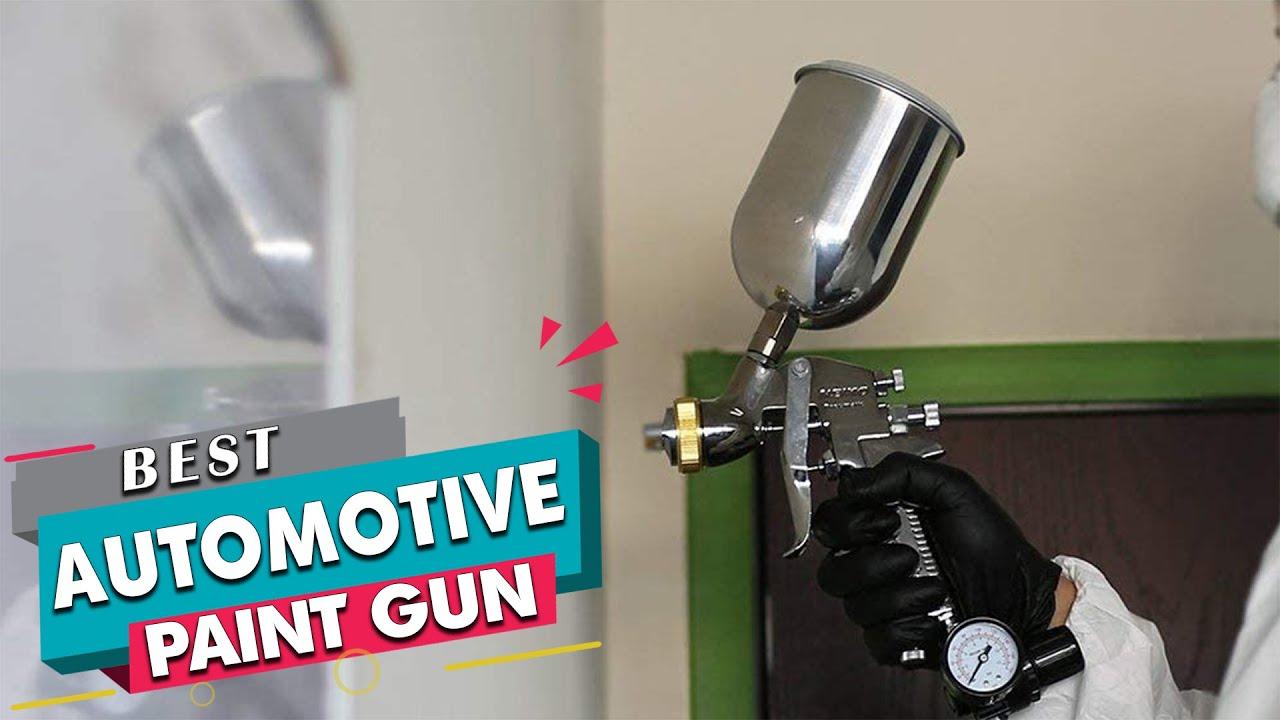
When it comes to refinishing a vehicle’s surface, whether for restoration, customization, or repair, few tools are as essential as Automotive Spray Guns. These precision paint application tools have revolutionized the way cars are coated, enabling flawless paint finishes while saving time and material. In this guide, we’ll explore what automotive spray guns are, how they work, the different types available, and expert tips to help you choose and use them with confidence.
What Are Automotive Spray Guns?
At its core, an automotive spray gun is a tool designed to apply paint and other liquid coatings such as primers, basecoats, sealers, and clearcoats — to a vehicle’s body using compressed air. These guns atomize liquid into fine droplets, creating a smooth, consistent spray pattern that wraps around panels with professional-grade precision.
Unlike traditional brushes or rollers that leave lines and uneven layers, spray guns distribute paint evenly and quickly, reducing the risk of runs, sags, or patchy coverage. This capability makes them indispensable in auto body shops, collision repair facilities, and even among DIY car enthusiasts.
Why Use Automotive Spray Guns?
Spray guns offer several advantages that set them apart from other painting methods:
1. Precision and Uniform Coverage
One of the biggest benefits of using a spray gun is the ability to produce an exceptionally smooth, consistent coating with minimal imperfections. Unlike brushes, spray guns break the paint into tiny particles, allowing it to lay down evenly and dry uniformly across curves and flat surfaces alike.
2. Increased Speed and Efficiency
Automotive spray guns dramatically cut down painting time. When painting a full vehicle or major panel sections, these tools can cover large areas quickly while consuming less paint than traditional methods. This efficiency is particularly valuable in environments with tight turnaround times and high productivity demands.
3. Versatility in Application
Modern spray guns can handle a variety of coatings including solvent-based paints, waterborne systems, and protective sealers making them highly adaptable for automotive repainting, customizing finishes, or even protective coating applications. With the right nozzle and settings, one spray gun can switch easily between different paint types.
4. Reduced Material Waste
Thanks to controlled atomization and optimized spray patterns, automotive spray guns reduce overspray and waste. This translates into cost savings on expensive paint material and fewer cleanup requirements.
Types of Automotive Spray Guns
Automotive spray guns come in various designs, each suited to specific tasks and skill levels. Knowing the differences will help you choose the right tool for your job.
1. High Volume Low Pressure (HVLP) Spray Guns
HVLP spray guns are among the most popular choices for automotive painting. As the name suggests, they operate at a high volume of air but low pressure, which atomizes paint efficiently with minimal overspray.
Key Advantages:
-
High transfer efficiency results in more paint reaching the surface instead of drifting into the air.
-
Excellent finish quality with smooth, even coats.
-
Lower VOC emissions and reduced waste.
While HVLP guns require a strong compressor to maintain airflow, the results justify their use especially for professional or enthusiast painters seeking showroom finishes.
2. Low Volume Low Pressure (LVLP) Spray Guns
LVLP guns operate similarly to HVLP systems but demand less air pressure, allowing them to work with smaller compressors or portable setups. This makes them ideal for hobbyists or garage projects.
Benefits:
-
Reliable control at lower air volumes great for smaller compressors.
-
Smooth finish and reduced overspray.
Best For: Touch-ups, minor refinishing, and projects where compressor performance is limited.
3. Conventional High-Pressure Spray Guns
Conventional or high-pressure spray guns rely on higher air pressure to atomize paint. While they offer excellent atomization and fast coverage, they tend to produce more overspray and require careful ventilation.
Key Features:
-
Fast application and good atomization.
-
Often used in industrial or large-volume paint shops.
Drawbacks:
-
Higher paint waste and VOC emissions.
-
Requires good ventilation and safety protocols.
4. Airless and Specialty Spray Guns
Aside from traditional air-assisted types, some automotive shops also use airless or electrostatic spray systems for special applications. Airless guns can apply thick coatings like primers and bedliners quickly, while electrostatic guns improve transfer efficiency by electrically charging paint particles.
These systems are typically used in advanced or industrial environments and may require more technical skill and setup.
Choosing the Right Automotive Spray Gun
Selecting the right spray gun depends on several factors: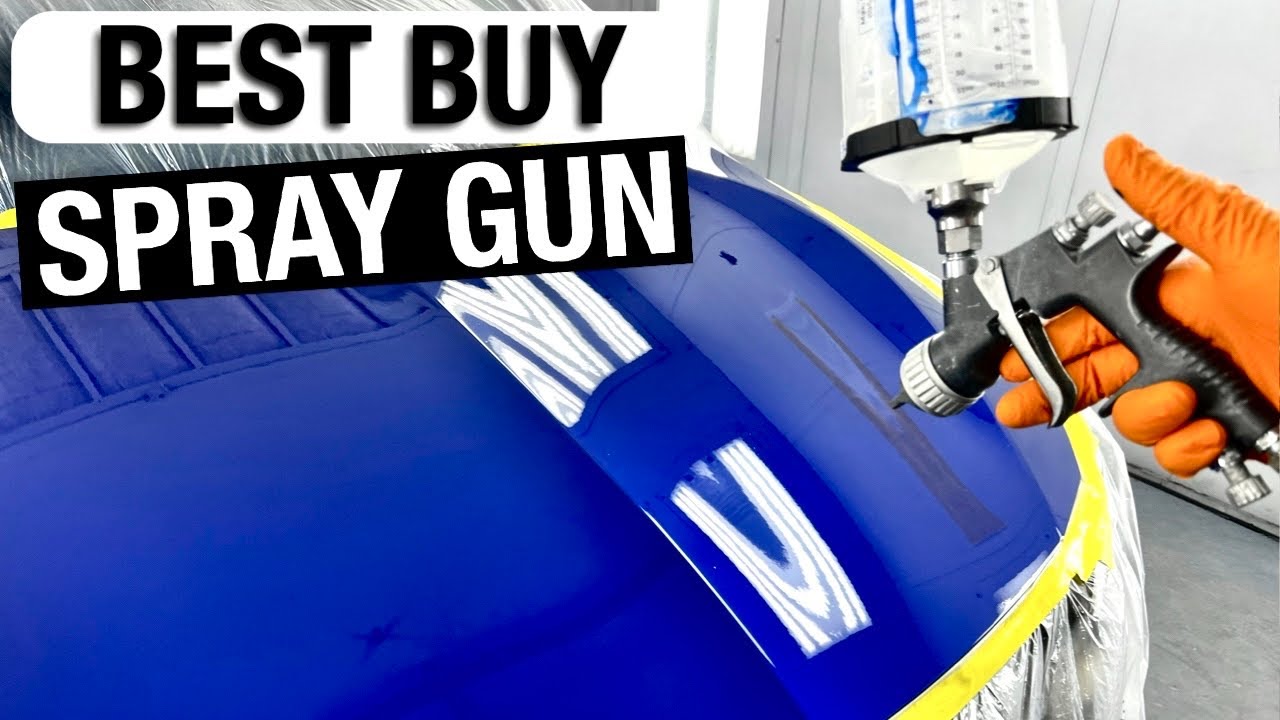
1. Project Scale
Are you painting a full vehicle or just repairing small panels? For large projects, HVLP or high-pressure guns may provide faster coverage. For small repairs or custom detailing, LVLP systems often shine.
2. Compressor Compatibility
Check your compressor’s airflow (CFM) and pressure (PSI) ratings. HVLP guns typically require more airflow, while LVLP guns can work with modest compressors.
3. Paint Type and Thickness
Different coatings require specific nozzle sizes. For example, finer atomization nozzles (around 1.2–1.4 mm) are ideal for basecoats and clears, while larger nozzles handle thicker materials like primers or protective coatings.
4. Skill Level
If you’re a beginner, start with a user-friendly spray gun that offers adjustable controls and requires minimal maintenance. Experienced painters might gravitate toward advanced models with precise fan-pattern and fluid control.
Tips for Using Automotive Spray Guns Like a Pro
Having the right spray gun is only half the battle technique matters too. Here are expert tips to help you get the best results:
1. Maintain Consistent Distance
Keep the gun at a steady distance from the surface (typically 6–10 inches) and move in smooth, overlapping passes to avoid runs and gaps.
2. Adjust Pressure and Spray Pattern
Fine-tune your air pressure and spray pattern before you begin. Testing on cardboard helps you dial in optimal settings for even coverage.
3. Mask and Prep Thoroughly
Preparing and masking adjacent areas ensures overspray does not reach unwanted sections. Proper surface preparation, including sanding and cleaning, improves adhesion and finish quality.
4. Clean After Every Use
Paint residue builds up quickly inside spray guns. Always flush and disassemble the gun after each session to prevent clogs and maintain performance.
5. Practice and Patience
Achieving professional results takes practice. Spend time mastering your technique on scrap pieces before tackling a full automotive project.
Safety First: Working With Automotive Spray Guns
Painting involves fine particles and chemical fumes so safety should never be overlooked:
-
Always wear a respirator mask, gloves, and eye protection.
-
Ensure proper ventilation or use an exhaust system in enclosed spaces.
-
Follow paint manufacturer guidelines and local VOC regulations.
These measures protect your health while also ensuring better finish quality by reducing airborne contaminants.
Conclusion
Automotive spray guns are transformative tools that enable precise, efficient, and high quality paint application whether you’re a professional auto body technician or a passionate DIYer. By understanding the various types, matching them to your needs, and following proper technique and safety practices, you can achieve stunning automotive finishes that rival professional shop results.
visit more about: wetelluhow

 English
 Arabic
 French
 Spanish
 Portuguese
 Deutsch
 Turkish
 Dutch
Dutch
 Italiano
 Russian
 Romaian
 Greek
Greek
