


Smart Grid Market Enables Reliable Power Through Digital Monitoring Automation Systems
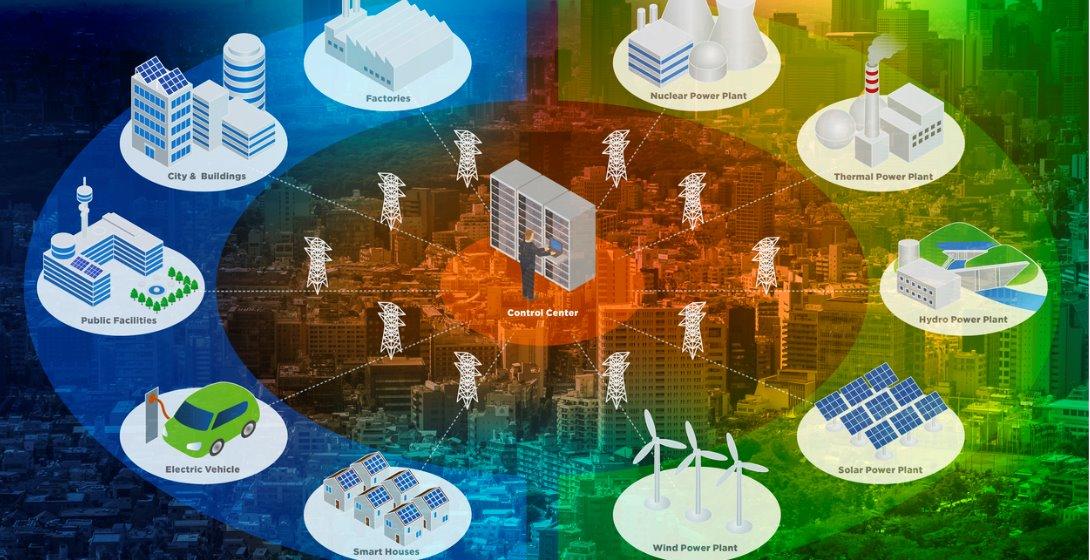
The Smart Grid Market is expanding as utilities modernize aging infrastructure and integrate more renewable generation. Smart grids combine sensors, communication networks, advanced metering, and software controls to make electricity delivery more efficient and resilient. Utilities adopt smart grid technologies to reduce outages, detect faults faster, and manage voltage and demand in near real time. This is increasingly important as distributed energy resources—solar rooftops, wind, batteries, and EV chargers—add variability to the grid. Smart grid investments also support regulatory requirements for reliability, emissions reduction, and customer transparency. For consumers, smart grid capabilities enable time-of-use pricing, faster outage notifications, and programs like demand response that reward flexible energy use. The market spans transmission and distribution automation, smart meters, grid analytics, and cybersecurity solutions that protect critical infrastructure. As electrification accelerates, smart grid modernization becomes foundational to meeting rising demand without excessive capital expansion.
Key components include advanced metering infrastructure (AMI), distribution automation, substation automation, and grid management software. AMI enables two-way communication between utilities and customer meters, supporting remote reads, outage detection, and dynamic pricing. Distribution automation uses sensors and intelligent switches to isolate faults and restore service automatically. Substation automation improves monitoring and control at critical nodes, enabling faster response to abnormal conditions. Grid management platforms—SCADA, ADMS, DERMS, and OMS—provide operational visibility and orchestration. These systems help utilities coordinate switching, voltage control, and distributed resource integration. Communications networks are essential, using fiber, RF mesh, cellular, and sometimes private LTE to connect devices securely. Data volumes are large, so utilities invest in data platforms and analytics to extract actionable signals from meter reads and sensor streams. Interoperability is a major requirement because utilities often deploy multi-vendor equipment over decades. Standards-based integration reduces lock-in and supports phased modernization without disrupting operations.
Cybersecurity is central to smart grid deployments because digitization increases attack surface. Utilities implement segmentation, identity controls, encryption, and continuous monitoring to protect operational technology networks. Regulatory frameworks often require incident reporting, vulnerability management, and supply chain controls. Another challenge is workforce readiness. Smart grid operations require new skills in data analytics, communications engineering, and software management. Utilities also face change management: dispatch procedures, field workflows, and asset maintenance processes evolve when real-time visibility and automation are introduced. Customer engagement is another factor. Dynamic pricing and demand response require trust and clear communication so customers participate willingly. Equity considerations matter as well; utilities must ensure modernization benefits reach all customers, not only those with smart devices. The business case often combines reliability improvement, reduced truck rolls, better asset utilization, and deferred capital spending. Successful programs use clear KPIs such as SAIDI/SAIFI reductions, faster restoration, improved voltage profiles, and reduced losses.
Looking ahead, smart grids will become more distributed, data-driven, and predictive. EV adoption will increase peak loads and require smarter charging management, creating demand for flexible load control and improved forecasting. Grid-edge intelligence will expand, with devices making local decisions when communications are limited. AI-driven analytics will improve outage prediction, asset health monitoring, and anomaly detection. Utilities will increasingly integrate DERMS to coordinate distributed solar and batteries, and to support virtual power plants. Resilience planning will grow in importance due to extreme weather, pushing investments in automation, undergrounding strategies, and microgrids for critical facilities. As utilities digitize, vendor ecosystems will expand around platforms, managed services, and cybersecurity offerings. For stakeholders, success depends on phased deployment, standards-based integration, and strong governance across OT and IT domains. The smart grid market will remain a long-term infrastructure investment theme, enabling reliable, cleaner, and more flexible power systems as electrification and renewables continue growing worldwide.
Top Trending Reports:
Mobile Collaboration Productivity And Innovation From Workplace Market

 English
 French
 Spanish
 Portuguese
 Deutsch
 Turkish
 Dutch
Dutch
 Italiano
 Russian
 Romaian
 Portuguese (Brazil)
 Greek
Greek
