


Acid Resistant Tiles: Durable Flooring Solutions for Harsh Industrial Environments
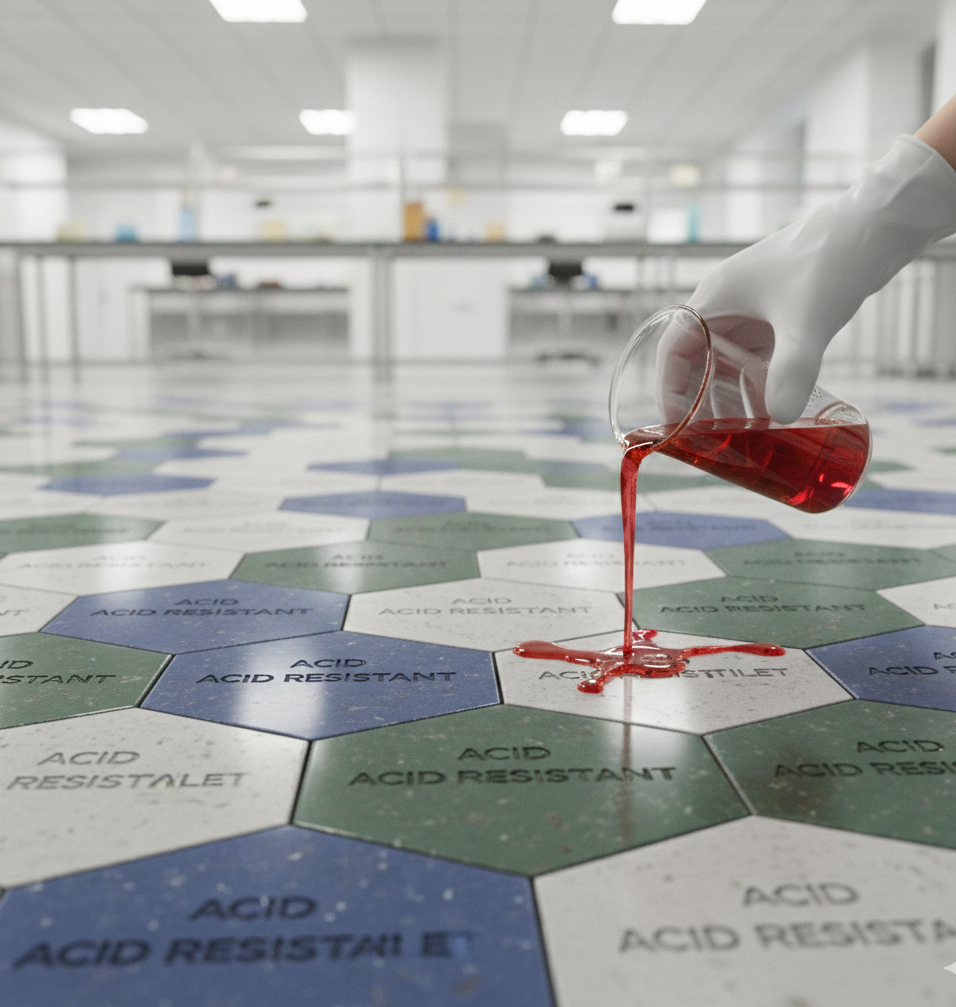
Acid resistant tiles are specially engineered flooring and lining materials designed to withstand exposure to corrosive chemicals, acids, alkalis, and aggressive industrial conditions. These tiles play a crucial role in industries where standard flooring materials fail due to chemical attack, moisture penetration, or heavy mechanical stress. With their high durability and superior chemical resistance, acid resistant tiles provide long-lasting protection, safety, and reliability in demanding environments.
What Are Acid Resistant Tiles?
Acid resistant tiles are manufactured using carefully selected raw materials such as silica, feldspar, clay, and other mineral compounds. These materials are fired at extremely high temperatures to achieve vitrification, creating a dense and non-porous structure. This manufacturing process significantly reduces water absorption and enhances chemical resistance. Unlike conventional ceramic tiles, acid resistant tiles are designed to resist corrosion, surface erosion, and staining caused by continuous exposure to acidic and alkaline substances.
Importance of Acid Resistance in Flooring Systems
In many industrial and commercial facilities, floors are regularly exposed to acids, solvents, oils, and harsh cleaning agents. Over time, these substances can weaken ordinary flooring, leading to cracks, contamination, and structural damage. Acid resistant tiles serve as a protective barrier, preventing chemical penetration and safeguarding the underlying substrate. Their use helps maintain operational efficiency, reduces maintenance costs, and ensures compliance with safety and environmental standards.
Key Properties of Acid Resistant Tiles
One of the most important characteristics of acid resistant tiles is their low porosity, which prevents liquids and chemicals from being absorbed into the tile body. These tiles also offer high compressive strength, making them capable of withstanding heavy loads and constant traffic. Additionally, acid resistant tiles provide excellent abrasion resistance, thermal shock resistance, and dimensional stability. These properties allow them to perform reliably under extreme industrial conditions.
Chemical Resistance Capabilities
Acid resistant tiles are designed to resist a wide range of corrosive chemicals, including sulfuric acid, hydrochloric acid, nitric acid, phosphoric acid, and organic acids. They also show strong resistance to alkalis, salts, oils, and industrial solvents. This broad chemical resistance makes them suitable for environments where chemical spills, washdowns, and vapors are common, ensuring long-term surface integrity and safety.
Types of Acid Resistant Tiles
There are several types of acid resistant tiles available to meet different application requirements. Ceramic acid resistant tiles are commonly used for moderate chemical exposure and general industrial use. Vitrified and porcelain acid resistant tiles offer higher density and superior chemical resistance, making them suitable for heavy-duty applications. Full body porcelain tiles provide uniform performance throughout the tile thickness, ensuring durability even under extreme wear conditions.
Industrial Applications of Acid Resistant Tiles
Acid resistant tiles are widely used across various industrial sectors. Chemical processing plants rely on these tiles to protect floors and walls from corrosive substances. Pharmaceutical and biotechnology facilities use acid resistant tiles to maintain clean, hygienic, and contamination-free environments. Food and beverage processing units benefit from their resistance to acidic ingredients and harsh cleaning chemicals. Other common applications include petrochemical plants, refineries, power stations, electroplating units, battery rooms, and wastewater treatment facilities.
Commercial and Institutional Uses
Beyond industrial settings, acid resistant tiles are also used in commercial and institutional environments where durability and hygiene are critical. Laboratories, hospitals, research centers, commercial kitchens, and educational institutions use these tiles to ensure safe and long-lasting flooring. Their easy-to-clean surfaces and resistance to chemical damage make them ideal for high-traffic areas exposed to cleaning agents and spills.
Installation Systems and Best Practices
Proper installation is essential to achieve optimal performance from acid resistant tiles. The substrate must be strong, level, and free from contaminants before installation. Acid resistant adhesives and mortars are used to ensure strong bonding and prevent chemical attack. Joints are sealed with acid resistant grout to create a fully protected surface. Following recommended installation practices ensures durability, chemical resistance, and long-term performance.
Maintenance and Cleaning Advantages
One of the major benefits of acid resistant tiles is their low maintenance requirement. Their non-porous surfaces prevent staining, chemical absorption, and bacterial growth. Routine cleaning with water or approved cleaning agents is usually sufficient to maintain hygiene and appearance. Unlike coated flooring systems, acid resistant tiles do not require frequent resurfacing or reapplication, reducing long-term maintenance costs.
Safety and Slip Resistance
Safety is a critical consideration in environments exposed to chemicals and moisture. Many acid resistant tiles are available with textured or anti-slip finishes that improve traction and reduce the risk of accidents. Their resistance to surface degradation ensures consistent performance over time, even in harsh conditions. By providing a stable and secure walking surface, acid resistant tiles contribute to safer workplaces.
Environmental and Regulatory Compliance
Modern industries must comply with strict environmental and occupational safety regulations. Acid resistant tiles help meet these requirements by preventing chemical seepage into concrete structures and surrounding soil. Their durability and long lifespan reduce waste and the need for frequent replacements. By supporting containment of hazardous substances, these tiles contribute to environmentally responsible and compliant operations.
Cost Effectiveness and Long-Term Value
Although acid resistant tiles may involve a higher initial investment compared to standard flooring materials, their long-term benefits make them a cost-effective choice. Their durability, resistance to chemical damage, and minimal maintenance needs significantly reduce lifecycle costs. By preventing floor failure and minimizing downtime, acid resistant tiles deliver excellent return on investment.
Design and Aesthetic Options
Acid resistant tiles are available in a variety of colors, sizes, and finishes, allowing for design flexibility without compromising performance. This enables architects and facility managers to create organized, clean, and visually appealing spaces. Well-designed flooring improves visibility, enhances workflow efficiency, and contributes to a professional environment in both industrial and commercial settings.
Advancements in Acid Resistant Tile Technology
Ongoing advancements in material science and manufacturing technology continue to improve the performance of acid resistant tiles. Enhanced vitrification processes, improved surface treatments, and innovative compositions are leading to tiles with even greater chemical resistance and durability. These developments ensure that acid resistant tiles remain a reliable solution for evolving industrial requirements.
Conclusion
Acid resistant tiles are an essential flooring solution for environments exposed to corrosive chemicals, heavy loads, and demanding operational conditions. Their superior chemical resistance, mechanical strength, safety features, and low maintenance requirements make them ideal for a wide range of industrial and commercial applications. By investing in acid resistant tiles, facilities can protect their infrastructure, ensure regulatory compliance, and achieve long-term operational efficiency. These tiles represent a strategic investment in durability, safety, and performance.

 English
 Arabic
 French
 Spanish
 Portuguese
 Deutsch
 Turkish
 Dutch
Dutch
 Russian
 Romaian
 Portuguese (Brazil)
 Greek
Greek
