


How to Plan the Perfect IKEA Kitchen Design on Any Budget
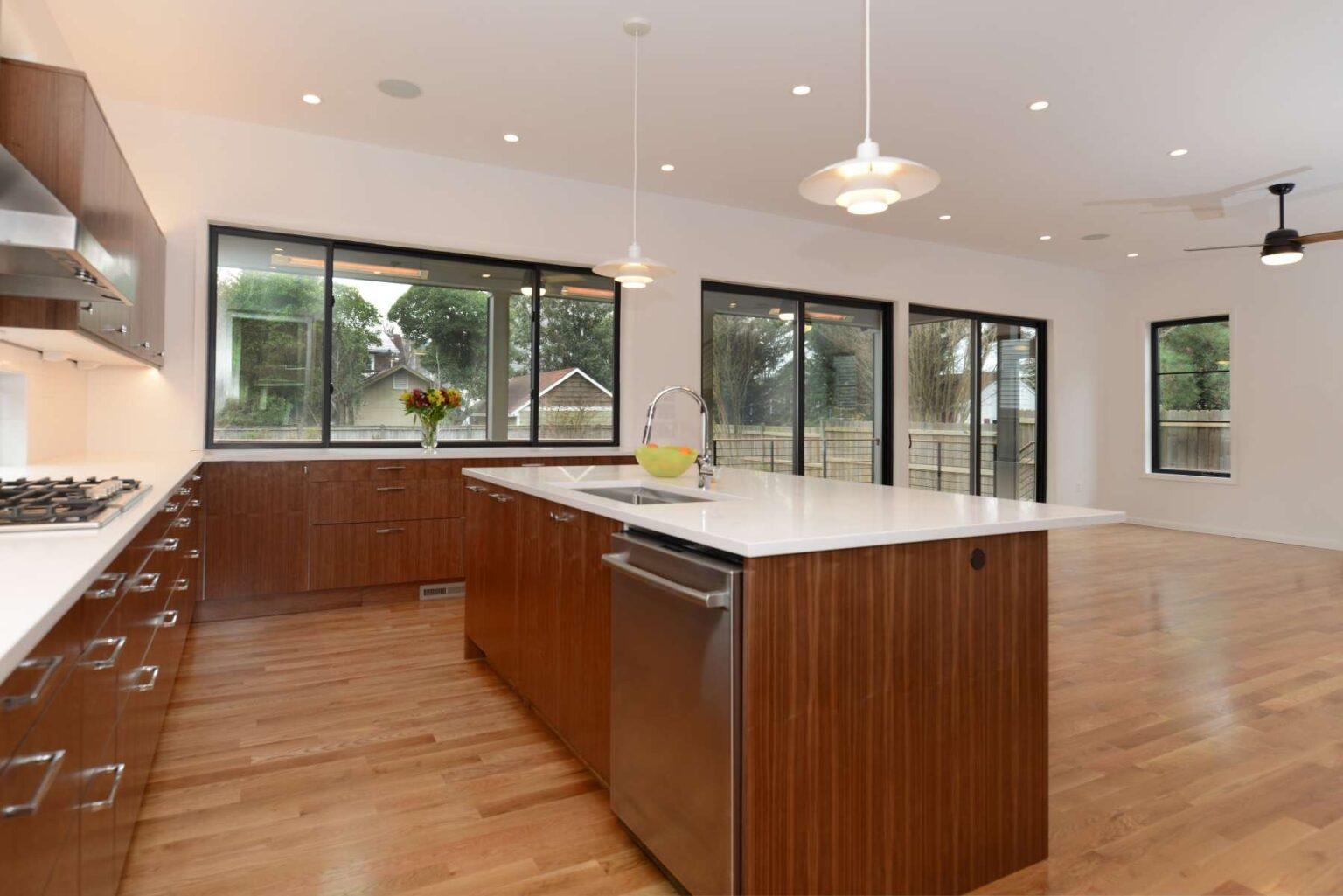
Designing a kitchen can be both exciting and overwhelming—especially when you want it to look great and stay within your budget. Luckily, IKEA kitchen designs are built to be adaptable, affordable, and stylish, making them ideal for homeowners, renters, and first-time designers alike. With smart planning and a little creativity, you can craft a kitchen that’s functional, beautiful, and perfectly suited to your lifestyle—without overspending.
Here’s a practical step-by-step guide to planning the perfect IKEA kitchen design for any budget.
1. Start with Clear Goals and a Realistic Budget
Before selecting cabinet fronts or worktops, define your goals:
-
What do you need versus what you want?
-
Do you cook often or entertain frequently?
-
How much storage and counter space do you need?
Next, set a realistic budget. Break it down into key categories:
| Budget Category | Estimated % of Budget |
|---|---|
| Cabinets & Storage | 40–50% |
| Countertops | 15–25% |
| Appliances | 15–30% |
| Hardware & Lighting | 5–10% |
| Installation | 10–20% |
By allocating funds this way, you’ll know where to splurge and where to save.
2. Measure Carefully and Assess Your Space
Accurate measurements are the foundation of any successful kitchen design. Measure:
-
Wall lengths
-
Ceiling height
-
Window and door locations
-
Distance between opposite counters (work triangle)
Use IKEA’s kitchen planner tools (online or in-store) to input your exact space and experiment with layouts before buying anything.
3. Choose a Smart Layout
Your kitchen layout affects flow and efficiency:
-
Single-Wall or Galley — Excellent for small spaces and tight budgets.
-
L-Shaped — Flexible and great for corner spaces.
-
U-Shaped or Island — Ideal for larger spaces and open-plan living.
Think about the classic work triangle—sink, stove, refrigerator—and design to minimize unnecessary movement.
4. Prioritize Cabinets and Storage Solutions
High-quality cabinets are key to a good kitchen, but you don’t have to spend a fortune.
Budget-friendly tips:
-
Mix and match: Pair standard cabinets with IKEA storage organizers like pull-out shelves, vertical dividers, and drawer inserts.
-
Use tall cabinets: Maximize vertical space with floor-to-ceiling storage.
-
Optimize corners: Include lazy susans and pull-out corner units to avoid wasted space.
Even basic IKEA SEKTION systems can be upgraded with smart interior organizers to make your kitchen feel more expensive than it is.
5. Save on Cabinet Doors and Finishes
Cabinet frames form the backbone of your kitchen—but cabinet doors and finishes shape the look.
Cost-saving options:
-
Choose simple, flat-front IKEA door styles.
-
Use standard finishes like whites and greys which are cheaper.
-
For style upgrades, invest in a few statement pieces (like one colored door or wood grain accent).
Handles and hardware can be inexpensive ways to personalize your kitchen without breaking the bank.
6. Pick Affordable But Durable Countertops
Countertops directly impact both function and aesthetics. Budget options include:
-
Laminate: Affordable and durable with lots of modern styles.
-
Butcher block: Warm, natural look that’s less expensive than stone.
-
Composite surfaces: Mid-range durability and design appeal.
If your budget allows, you can add a small section of premium countertop as a focal point (like near the sink or island).
7. Choose Appliances Strategically
Appliances are one of the larger costs in any kitchen—you don’t have to buy them all at once.
Smart tips:
-
Start with essentials (cooktop, oven, fridge).
-
Choose energy-efficient models to save on utility bills.
-
Look for package deals or seasonal discounts.
You can also mix mainstream brands with IKEA integrated panels to keep the look cohesive.
8. Don’t Forget Lighting & Finishing Touches
Lighting can elevate a kitchen dramatically—even on a small budget:
-
Install under-cabinet LED strips to brighten workspaces.
-
Use pendant lights over islands or eating areas.
-
Consider dimmers to balance brightness and mood.
Small design touches like backsplashes, open shelving, and decorative accents give personality without huge costs.
9. Plan for DIY vs. Professional Installation
Installing an IKEA kitchen yourself can save money—but requires patience and basic tools. IKEA’s planners and instructions make DIY more approachable than many custom kitchens.
However, if your project involves plumbing or electrical work, hiring professionals is often worth the investment for safety and quality.
10. Stay Flexible and Review Before You Buy
Before finalizing any purchase:
✔ Review your layout one last time.
✔ Double-check measurements.
✔ Get a second opinion—online forums or design friends can help.
✔ Compare price options for every item.
This final review helps avoid costly mistakes that bust your budget.
Conclusion
Planning the perfect IKEA kitchen doesn’t have to be overwhelming—or expensive. With thoughtful goals, careful measurements, and smart budgeting, you can design a kitchen that looks stylish, functions well, and fits your financial plan. From choosing the right layout to prioritizing storage and investing wisely in finishes and appliances, every decision influences how the space feels and works.

 English
 Arabic
 French
 Spanish
 Portuguese
 Deutsch
 Turkish
 Dutch
Dutch
 Russian
 Romaian
 Portuguese (Brazil)
 Greek
Greek
