


How Do Laboratory Chemicals Suppliers Ensure Quality and Safety?
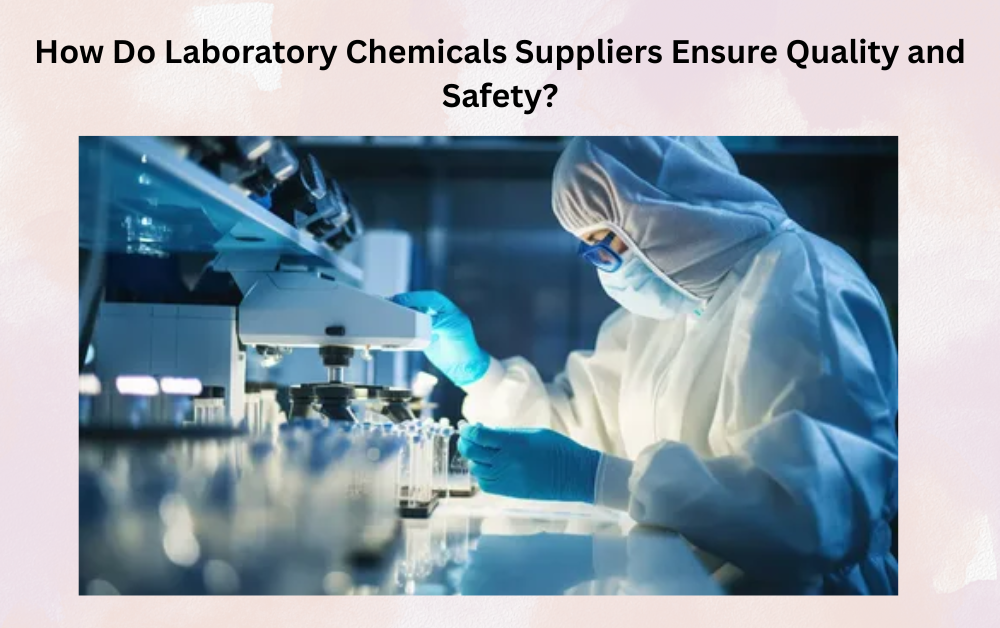
Laboratory chemicals are the backbone of research, testing, and industrial work. They are used in laboratories for experiments, analysis, and production. However, working with these chemicals comes with risks if the products are not high quality or handled improperly. This is why choosing the right laboratory chemicals supplier is crucial. A reliable supplier ensures that chemicals are safe, high-quality, and delivered properly for effective laboratory use.
In this blog, we will explain in simple, easy-to-understand language how laboratory chemicals suppliers maintain quality and safety. This will help students, researchers, and laboratory managers understand the important practices suppliers follow to protect users and maintain standards.
Understanding the Importance of Quality and Safety in Lab Chemicals

Safety and quality are the most important aspects when dealing with laboratory chemicals. Using low-quality or contaminated chemicals can lead to incorrect results, failed experiments, or even accidents in the lab.
Why Quality Matters
High-quality chemicals provide accurate results in experiments. For example, in pharmaceutical testing, using pure chemicals ensures that drugs are tested correctly and safely. Poor-quality chemicals may contain impurities, which can affect the accuracy of results and compromise safety.
Why Safety Matters
Safety ensures that chemicals do not harm laboratory staff or the environment. Many chemicals are flammable, toxic, corrosive, or reactive. Handling unsafe chemicals increases the risk of fires, poisoning, burns, or dangerous reactions. Laboratory chemicals suppliers play a key role in reducing these risks by providing safe and properly packaged chemicals.
Quality Assurance Practices by Laboratory Chemicals Suppliers
Suppliers follow strict quality assurance practices to ensure that chemicals meet required standards before reaching laboratories.
Testing and Verification
Reliable suppliers test chemicals for purity, concentration, and stability. This ensures that every batch meets international quality standards. Verification involves checking chemical properties and making sure they match the specifications listed on the label.
Certification and Compliance
Suppliers often follow ISO standards or other international certifications to maintain quality. Certified suppliers provide documentation and certificates of analysis, confirming the quality and origin of chemicals. These certifications help laboratories trust the products they receive.
Controlled Manufacturing Processes
High-quality suppliers source chemicals from trusted manufacturers who follow strict production guidelines. Controlled manufacturing ensures consistency in quality and minimizes contamination.
Safety Measures in Chemical Packaging and Handling
Safety does not stop at quality control; suppliers also focus on packaging and handling to prevent accidents.
Proper Packaging
Chemicals are packaged in materials suitable for their type. Flammable liquids are stored in fire-resistant bottles, corrosive acids in resistant containers, and toxic substances in secure, sealed packaging. Proper packaging reduces the risk of leaks, spills, and accidents during transport.
Labeling and Information
Every chemical container includes clear labeling with the chemical name, concentration, hazard warnings, and safety instructions. Suppliers provide material safety data sheets (MSDS), which give detailed information on handling, storage, and emergency measures. Clear labels ensure laboratory staff know the risks and take precautions.
Safe Transportation
Suppliers follow strict guidelines for transporting chemicals. This includes using ventilated vehicles for flammable liquids, segregating incompatible chemicals, and monitoring temperature-sensitive products. Proper transportation ensures chemicals remain stable and safe until they reach the lab.
Segregation and Storage Recommendations
Suppliers often advise laboratories on proper storage and segregation of chemicals. Proper segregation prevents dangerous reactions between incompatible chemicals.
Grouping by Chemical Type
Chemicals are grouped according to their properties, such as flammable, corrosive, oxidizers, or toxic substances. This helps laboratories store chemicals safely and avoid accidental mixing.
Temperature and Environment Control
Some chemicals require cold storage or protection from light and humidity. Suppliers guide labs on ideal storage conditions to maintain chemical stability and prevent degradation.
Emergency Measures
Suppliers provide instructions on spill containment, fire safety, and first aid. These recommendations ensure laboratories are prepared for accidents and can respond quickly.
Ongoing Supplier Support
High-quality suppliers do not just deliver chemicals; they provide ongoing support to ensure safe usage.
Technical Assistance
Suppliers often offer expert guidance on chemical handling, preparation, and usage. They can answer questions about compatibility, storage, and disposal.
Regular Updates
Reputable suppliers update laboratories about changes in regulations, safety standards, or handling procedures. This ensures labs remain compliant with local and international safety rules.
Training and Workshops
Some suppliers organize training sessions or workshops for laboratory staff to promote safe handling practices. Educated staff reduce the risk of accidents and ensure experiments are conducted safely.
Benefits of Choosing a Trusted Laboratory Chemicals Supplier
Choosing the right supplier ensures not only quality and safety but also long-term efficiency and reliability for the laboratory.
-
Accurate Results: High-quality chemicals produce reliable and precise experimental results.
-
Enhanced Safety: Proper packaging, labeling, and handling reduce the risk of accidents.
-
Regulatory Compliance: Certified suppliers help laboratories meet local and international regulations.
-
Cost Savings: Using safe and stable chemicals reduces waste and prevents costly accidents.
-
Confidence and Trust: Researchers and laboratory staff can focus on their work knowing the chemicals are reliable.
Key Factors to Consider When Choosing a Supplier
When selecting a laboratory chemicals supplier, laboratories should consider the following:
-
Certifications and quality standards followed by the supplier.
-
Safety measures in packaging, labeling, and transport.
-
Technical support and guidance provided.
-
Availability of material safety data sheets (MSDS) for all chemicals.
-
Experience in supplying chemicals for similar industries or laboratories.
Conclusion
Safe and high-quality laboratory chemicals are essential for accurate experiments, research, and industrial work. Laboratory chemicals suppliers play a critical role in maintaining safety and quality by testing chemicals, providing proper packaging, labeling, and instructions, and offering ongoing support to laboratories.
By choosing a reliable supplier, laboratories can reduce risks, ensure regulatory compliance, save costs, and achieve consistent results. Safe chemical handling and proper supplier practices not only protect laboratory staff but also contribute to successful research and experiments.
A trusted laboratory chemicals supplier is not just a product provider; they are a partner in safety, efficiency, and scientific progress.
For more insightful articles related to this topic, feel free to visit : zepky.com

 English
 Arabic
 French
 Spanish
 Portuguese
 Deutsch
 Turkish
 Dutch
Dutch
 Italiano
 Romaian
 Portuguese (Brazil)
 Greek
Greek
