


Hair Treatment for Hair Loss Guide to Causes, Solutions, and Modern Restoration Options
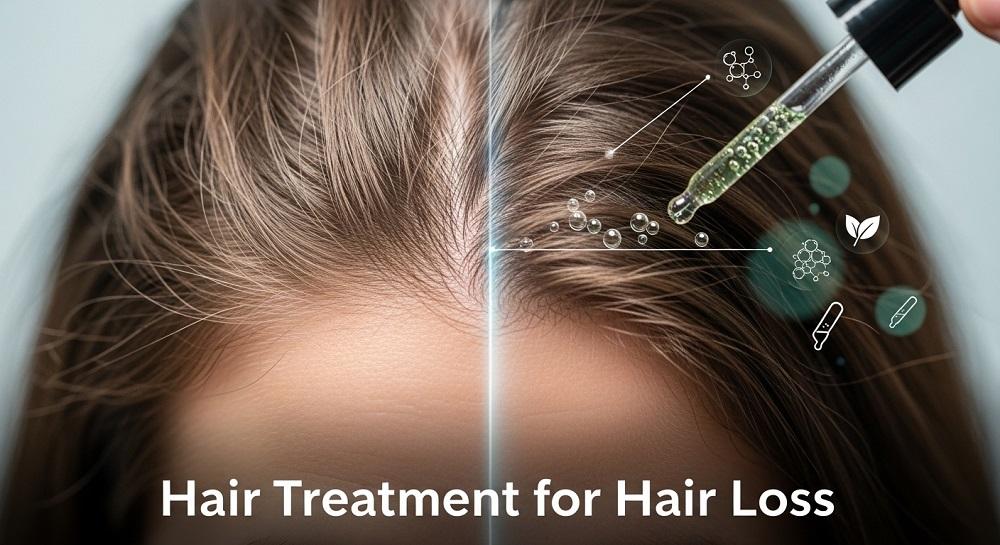
Hair loss is one of the most common concerns affecting both men and women worldwide. While losing 50–100 strands per day is considered normal, excessive shedding, thinning, or visible bald patches can cause emotional stress and reduced self-confidence. Fortunately, advancements in dermatology and cosmetic medicine now offer a wide range of effective hair treatments for hair loss, from non-surgical therapies to advanced restoration procedures.
This guide explores everything you need to know about hair loss treatments — including causes, early signs, medical solutions, non-surgical therapies, surgical options, lifestyle improvements, and long-term maintenance strategies.
Understanding Hair Loss
Before exploring treatment options, it’s essential to understand why hair loss happens.
Hair grows in cycles:
- Anagen (Growth Phase) – Lasts 2–7 years
- Catagen (Transition Phase) – Lasts a few weeks
- Telogen (Resting Phase) – Hair sheds and new growth begins
When this cycle is disrupted, excessive shedding or thinning may occur.
Common Causes of Hair Loss
Hair loss can result from multiple factors:
1. Genetic Hair Loss (Androgenetic Alopecia)
The most common cause of balding or hair lose, affecting both men and women. Often referred or is also called to as male or female pattern baldness.
2. Hormonal Changes
Thyroid disorders, pregnancy, menopause, or hormonal imbalances can trigger hair thinning.
3. Stress and Emotional Trauma
Physical or emotional stress may lead to temporary hair shedding (telogen effluvium).
4. Nutritional Deficiencies
Lack of iron, protein, zinc, vitamin D, or B-complex vitamins can affect hair health.
5. Medical Conditions
Autoimmune diseases, scalp infections, and chronic illnesses can contribute to hair loss.
6. Medication Side Effects
Certain medications may cause temporary or permanent hair thinning.
7. Harsh Hair Treatments
Frequent chemical treatments, excessive heat styling, and tight hairstyles may damage follicles.
Early Signs of Hair Loss
Recognizing early signs allows timely treatment.
- Receding hairline
- Widening hair part
- Thinning crown
- Excessive shedding during washing
- Visible scalp through hair
- Slower regrowth
Early intervention often produces better results.
Non-Surgical Hair Treatments for Hair Loss
Many patients prefer non-invasive options before considering surgery.
1. PRP (Platelet-Rich Plasma) Therapy
PRP therapy involves drawing a small amount of blood, processing it to extract growth factor-rich plasma, and injecting it into the scalp.
Benefits:
- Stimulates dormant follicles
- Improves hair thickness
- Enhances scalp health
- Minimally invasive
Multiple sessions are typically required.
2. Minoxidil (Topical Treatment)
Minoxidil is an FDA-approved topical solution that stimulates hair growth.
Benefits:
- Easy to apply
- Suitable for men and women
- Slows hair loss progression
Results require consistent use.
3. Finasteride (Oral Medication)
Finasteride reduces DHT levels, the hormone responsible for genetic hair loss in men.
Benefits:
- Slows hair thinning
- Helps maintain existing hair
- May promote regrowth
Medical consultation is necessary before use.
4. Low-Level Laser Therapy (LLLT)
Laser therapy stimulates blood circulation and cellular activity in hair follicles.
Benefits:
- Non-invasive
- Safe
- Can be combined with other treatments
5. Mesotherapy
Mesotherapy involves injecting vitamins, amino acids, and growth factors directly into the scalp.
Benefits:
- Nourishes follicles
- Improves scalp health
- Supports hair growth
6. Exosome Therapy
Exosome therapy is an emerging regenerative treatment that uses cellular messengers to stimulate hair regrowth.
Benefits:
- Promotes follicle regeneration
- Reduces inflammation
- Enhances hair thickness
Surgical Hair Treatment for Hair Loss
When hair loss becomes advanced or non-surgical treatments are ineffective, surgical solutions may be recommended.
Hair Transplant Surgery
Hair transplant is a permanent solution where healthy follicles are relocated from the donor area to thinning areas.
Techniques:
FUE (Follicular Unit Extraction)
- Individual follicle extraction
- No linear scar
- Faster recovery
FUT (Follicular Unit Transplantation)
- Strip removal method
- Higher graft yield
- Suitable for advanced baldness
Hair transplant provides long-lasting, natural results.
Choosing the Right Hair Treatment
Selecting the best treatment depends on:
- Cause of hair loss
- Severity
- Age
- Gender
- Donor hair availability
- Medical history
- Expectations
A proper consultation is essential for personalized planning.
Hair Treatment for Men
Men typically experience:
- Receding hairline
- Crown thinning
- M-shaped baldness
Common treatments for men include:
- Finasteride
- Minoxidil
- PRP therapy
- Hair transplant
Hair Treatment for Women
Women usually experience:
- Diffuse thinning
- Widening part
- Reduced volume
Treatments often include:
- PRP therapy
- Mesotherapy
- Nutritional supplementation
- Minoxidil
Hair transplant may be suitable in selected cases.
Importance of Early Treatment
Treating hair loss early can:
- Prevent further thinning
- Reduce need for surgery
- Improve treatment success
- Preserve existing hair
Delaying treatment may require more intensive procedures later.
Lifestyle Changes to Support Hair Health
Medical treatments regarding of hairs work best when combined with healthy habits.
1. Balanced Diet
Include:
- Protein-rich foods
- Iron
- Zinc
- Omega-3 fatty acids
- Biotin
2. Stress Management
Chronic stress contributes to hair loss.
3. Proper Hair Care
- Avoid excessive heat
- Avoid tight hairstyles
- Use mild shampoos
4. Regular Exercise
Improves blood circulation to scalp.
Myths About Hair Loss Treatment
Myth 1: Hair Oils Cure Baldness
Truth: Oils nourish scalp but do not reverse genetic hair loss.
Myth 2: Wearing Hats Causes Hair Loss
Truth: Hats do not affect follicles.
Myth 3: Shaving Makes Hair Thicker
Truth: Shaving does not change follicle structure.
Psychological Impact of Hair Loss
Hair loss affects more than appearance. It can impact:
- Confidence
- Social life
- Professional image
- Emotional well-being
Effective treatment often improves overall quality of life.
Cost of Hair Treatment
Cost varies based on:
- Type of treatment
- Number of sessions
- Severity of hair loss
- Clinic expertise
- Geographic location
Non-surgical treatments are usually more affordable per session but may require ongoing maintenance.
Hair transplant involves a higher upfront investment but provides permanent results.
Combining Treatments for Better Results
Often, combining treatments provides optimal outcomes.
Examples:
- PRP + Minoxidil
- Hair transplant + PRP
- Laser therapy + medication
A multi-approach strategy enhances results.
Timeline of Results
Non-Surgical Treatments
- 1–2 months: Reduced shedding
- 3–4 months: Visible improvement
- 6 months: Noticeable thickening
Hair Transplant
- 2–3 weeks: Shedding phase
- 3–4 months: New growth
- 6 months: Significant improvement
- 12 months: Final results
Patience is key.
When to See a Specialist
Consult a hair specialist if:
- Hair loss is sudden
- Bald patches appear
- Shedding increases rapidly
- Scalp pain or itching occurs
- Family history of baldness
Early medical advice improves outcomes.
Preventive Measures
Although genetic hair loss cannot always be prevented, you can reduce risk by:
- Maintaining proper nutrition
- Managing stress
- Avoiding harsh chemicals
- Treating medical conditions promptly
Advanced Innovations in Hair Treatment
The field continues to evolve with innovations such as:
- Stem cell-based therapies
- Regenerative medicine
- Advanced graft preservation methods
- Improved PRP protocols
Research continues to enhance effectiveness.
Long-Term Maintenance
Even after successful treatment:
- Follow medical advice
- Attend follow-up appointments
- Maintain healthy lifestyle
- Use supportive products if recommended
Consistency ensures long-lasting results.
Frequently Asked Questions
Is hair loss reversible?
Some types are reversible, while genetic hair loss may require ongoing management or surgery.
Are natural remedies effective?
They may improve scalp health but rarely reverse genetic baldness.
How long do treatments take to work?
Most treatments require at least 3–6 months for visible results.
Is hair transplant permanent?
Yes, transplanted follicles grow for life.
Final Thoughts
Hair Treatment for Hair Loss has advanced significantly in recent years. From non-invasive therapies like PRP and laser treatment to permanent surgical options like hair transplant, individuals now have multiple effective solutions available.
The key to successful treatment lies in:
- Early diagnosis
- Proper medical consultation
- Customized treatment planning
- Realistic expectations
- Consistent follow-up
Hair loss may feel overwhelming, but with modern medical advancements, restoring thicker, healthier hair is more achievable than ever. Whether you choose non-surgical therapies or permanent surgical solutions, taking the first step toward professional consultation can make a significant difference in your confidence and overall well-being.
If you are experiencing hair thinning or excessive shedding, exploring professional hair treatment options can help you regain not only your hair — but also your confidence.

 English
 French
 Spanish
 Portuguese
 Deutsch
 Turkish
 Dutch
Dutch
 Italiano
 Russian
 Romaian
 Portuguese (Brazil)
 Greek
Greek
