


Signs of Chimney Crown Deterioration in Hawthorne
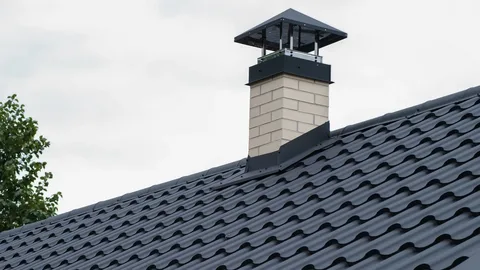
The chimney crown plays a quiet but critical role in protecting a home. Sitting at the very top of the chimney, it shields the masonry below from rain, snow, and temperature extremes. When the crown begins to deteriorate, the damage rarely stays contained to the top surface.
Many homeowners in Hawthorne do not realize that crown issues often start small. By the time visible symptoms appear, moisture may already be moving deeper into the chimney structure.
Why the Chimney Crown Fails First
Unlike bricks and mortar joints that share the load of the chimney, the crown stands alone. It faces direct exposure to sun, rain, freezing temperatures, and wind without the benefit of surrounding protection.
As seasons change, the crown expands and contracts. Over time, this movement weakens its surface and edges. Even well-built crowns can deteriorate if minor defects are left unaddressed.
Hairline Cracks That Grow Over Time
One of the earliest signs of crown deterioration is the appearance of fine cracks. These may seem harmless, especially if they are barely visible from the ground.
However, hairline cracks allow water to enter the crown material. Once moisture penetrates, freeze and thaw cycles widen the cracks and weaken the crown from the inside out.
Chipping and Flaking Along the Edges
As deterioration progresses, the edges of the crown often begin to chip or flake. This is a sign that the surface layer has lost its integrity.
Edge damage is especially concerning because it creates direct pathways for water to flow toward the chimney’s interior walls. Over time, this leads to accelerated masonry decay below the crown.
Pooling Water on the Crown Surface
A properly constructed crown is designed to shed water away from the chimney. When the surface becomes uneven or damaged, water begins to pool instead of draining.
Standing water increases saturation and adds weight to the crown. This constant moisture exposure weakens the material and speeds up cracking, especially during colder months.
Separation Between Crown and Chimney Walls
Another clear warning sign is visible separation where the crown meets the chimney bricks. Gaps in this area indicate that the bond has failed.
Once separation occurs, water can bypass the crown entirely and flow directly into the chimney structure. This often leads to internal damage that remains hidden until performance issues arise.
Interior Moisture Linked to Crown Damage
Crown deterioration does not always announce itself at the roofline. In many cases, homeowners first notice signs indoors.
Damp smells, stains near the fireplace, or unexplained moisture around the flue can all trace back to crown failure. These symptoms suggest that water has already traveled through multiple chimney components.
Rusted Components Near the Top
Metal parts near the top of the chimney, such as caps or flashing edges, may show rust when crown deterioration allows moisture intrusion.
Rust is not just a surface issue. It indicates prolonged exposure to water and often signals that the crown is no longer acting as an effective barrier.
Why Minor Crown Damage Escalates Quickly
The crown’s position makes it vulnerable to every weather event. Once compromised, it absorbs repeated exposure without recovery time.
This is why homeowners seeking chimney repair services in Hawthorne are often surprised by how rapidly crown-related damage spreads throughout the chimney system.
Seasonal Weather Patterns That Accelerate Damage
Hawthorne experiences weather shifts that are especially harsh on chimney crowns. Cold winters introduce freeze and thaw stress, while warm seasons bring intense sun exposure.
Heavy rainstorms force water into cracks, and high winds push moisture toward vulnerable seams. Over time, these patterns turn minor surface flaws into structural concerns.
How Crown Deterioration Affects Chimney Performance
A damaged crown impacts more than structural integrity. Moisture entering the chimney can affect draft efficiency and flue liner condition.
When internal components remain damp, airflow becomes inconsistent. This can reduce fireplace performance and increase maintenance needs.
Visual Signs Homeowners Often Miss
Many crown issues are difficult to spot without a close inspection. Small cracks, surface erosion, or uneven slopes may not be visible from the ground.
Because the crown sits above eye level, deterioration often progresses unnoticed until secondary damage appears elsewhere in the home.
Preventing Advanced Crown Failure
Early detection is the most effective way to prevent major chimney repairs. Addressing minor cracks or surface wear protects the entire chimney structure.
Regular inspections help identify early-stage crown deterioration before moisture reaches internal components. Timely attention preserves both safety and long-term durability.
Why Crown Care Protects the Entire Chimney
The crown acts as the chimney’s first line of defense. When it fails, every component below becomes vulnerable.
Understanding the signs of crown deterioration allows homeowners to take action before damage spreads. With proper care, the chimney crown can continue protecting the home through years of changing weather.

 Arabic
 French
 Spanish
 Portuguese
 Deutsch
 Turkish
 Dutch
Dutch
 Italiano
 Russian
 Romaian
 Portuguese (Brazil)
 Greek
Greek
