


Japan Laundry Appliances Market: Smart Innovation Reshaping a Mature Household Sector
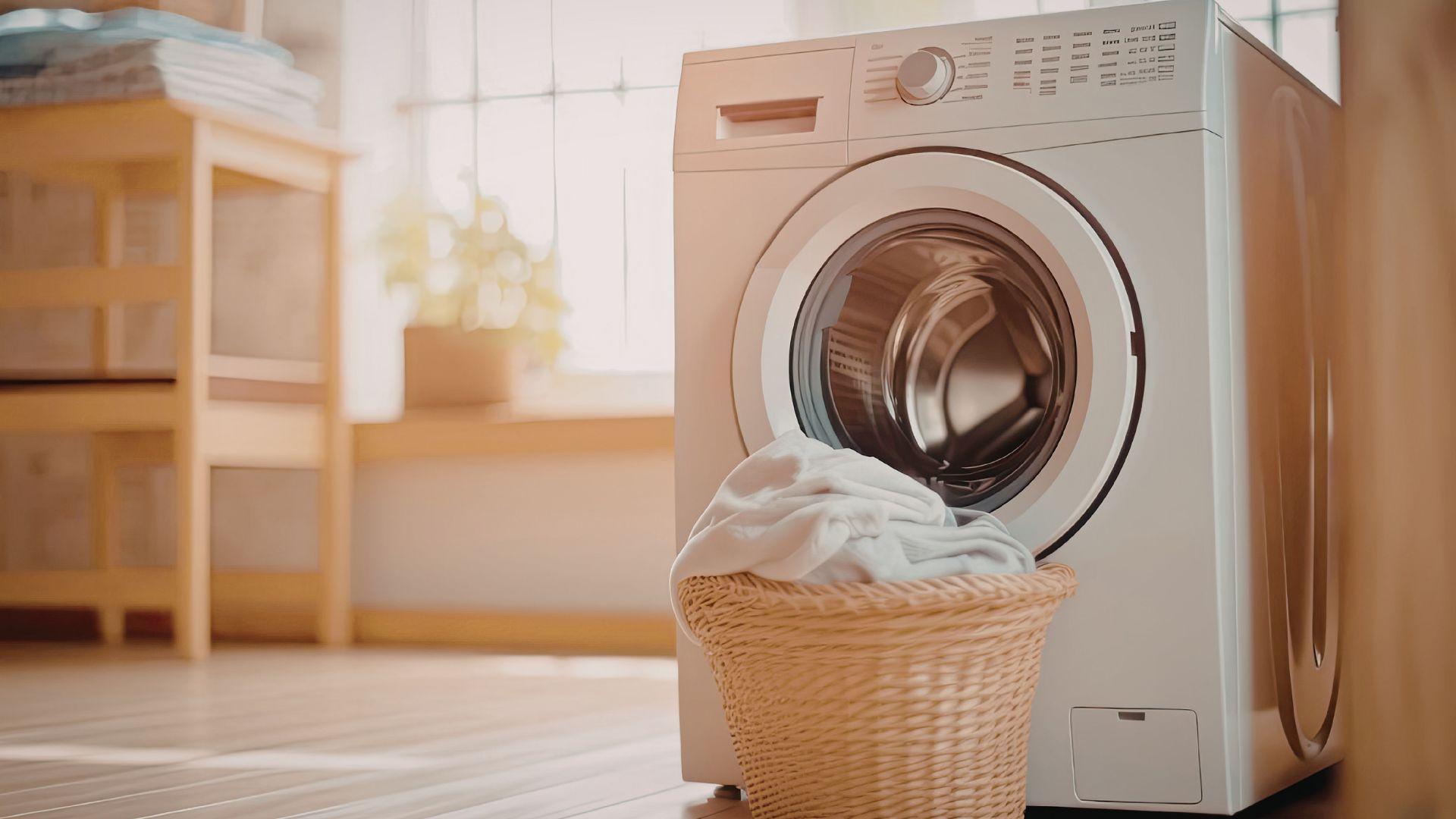
Japan Laundry Appliances Market Size and Forecast 2025–2033
The Japan laundry appliances market continues to evolve steadily, even as it operates within one of the most mature consumer appliance environments globally. According to Renub Research, the market is projected to grow from US$ 3.12 billion in 2024 to US$ 4.08 billion by 2033, expanding at a CAGR of 3.02% during 2025–2033.
This growth is not driven by rising household penetration—already close to saturation—but by continuous innovation, lifestyle changes, and consumers’ willingness to upgrade to smarter, more efficient, and more convenient laundry solutions. Advances in smart connectivity, energy efficiency, and enhanced washing and drying performance are redefining consumer expectations, allowing value growth to continue even as unit volumes remain relatively stable.
Download Free Sample Report:https://www.renub.com/request-sample-page.php?gturl=japan-laundry-appliances-market-p.php
Japan Laundry Appliances Industry Overview
Japan’s laundry appliance market is characterized by technological sophistication, high product standards, and a strong emphasis on compact, user-friendly design. Japanese consumers prioritize quality, durability, quiet operation, and energy efficiency, reflecting both urban living constraints and environmental consciousness.
Urban households, particularly in cities such as Tokyo and Osaka, favor front-loading washing machines and integrated washer-dryer combinations due to limited living space. These appliances offer water and energy efficiency while maintaining high washing performance. In contrast, top-loading machines continue to be popular in rural regions, where space constraints are less severe and traditional usage habits persist.
Integrated washer-dryer units have become increasingly common in small apartments, eliminating the need for separate drying equipment. Noise reduction technologies, vibration control, and advanced hygiene features—such as steam cleaning, auto-dosing, and antibacterial drum coatings—are now key differentiators in purchase decisions.
The market is largely dominated by domestic manufacturers such as Panasonic, Hitachi, Toshiba, and Sharp. However, international brands like LG Electronics and Samsung are gaining traction through smart, connected product offerings.
Approximately 2.68 million washing machines are sold annually in Japan, reflecting a highly saturated market with household penetration between 95% and 100%. With rising discretionary income and stable economic conditions, consumers increasingly invest in premium, feature-rich appliances rather than basic replacements.
Lifestyle Shifts and Smart Home Integration
Japan’s aging population and fast-paced urban lifestyles are significantly influencing product design and feature adoption. Consumers increasingly seek appliances that reduce physical effort, save time, and integrate seamlessly into smart home ecosystems.
IoT-enabled laundry appliances with smartphone connectivity allow users to monitor cycles, receive maintenance alerts, and optimize energy usage remotely. These features resonate strongly with tech-savvy households and working professionals managing busy schedules.
Environmental awareness also plays a central role. Manufacturers are investing in recyclable materials, water-saving technologies, and low-energy motors to align with national sustainability goals. While unit growth remains limited, value growth continues as consumers replace older machines with advanced, eco-friendly alternatives.
Key Factors Driving the Japan Laundry Appliances Market Growth
Urbanization and Small Apartments
Japan’s dense urban population has fundamentally shaped laundry appliance preferences. In metropolitan regions such as Tokyo and Osaka, living spaces are often compact, driving demand for space-saving, multifunctional appliances.
Washer-dryer combinations, slim front-loading machines, and stackable units are particularly popular among young professionals and nuclear families. These appliances are designed to maximize capacity while minimizing physical footprint, meeting the functional constraints of modern apartments.
Urban living also amplifies the need for quiet, vibration-free operation. Manufacturers are investing heavily in noise-reduction technologies to ensure appliances can operate at any time without disturbing neighbors. As urbanization continues, compact and efficient laundry appliances will remain central to market growth.
Innovation in Technology and Intelligent Features
Technological innovation is the primary engine of growth in Japan’s laundry appliances market. Manufacturers are embedding AI-based load sensing, automatic detergent dispensing, fabric-specific wash programs, and IoT connectivity into their products.
Smart appliances appeal strongly to Japanese consumers who value precision, efficiency, and automation. App-controlled operation enables users to customize wash cycles, monitor energy usage, and receive alerts for maintenance or cycle completion.
Advances in water and energy efficiency align with both government regulations and consumer expectations for environmentally responsible products. Hygiene-focused features such as steam washing, allergen removal, and antibacterial drum technologies address heightened health awareness.
Integration with broader smart home ecosystems further enhances demand, encouraging consumers to upgrade older appliances. These innovations not only add value but also shorten replacement cycles in an otherwise saturated market.
User-Friendly Designs Driven by an Aging Population
Japan’s rapidly aging population is reshaping product design priorities. Elderly consumers place high importance on ease of use, safety, and minimal physical strain. As a result, appliances with ergonomic door designs, intuitive control panels, and automated functions are in growing demand.
Features such as large displays, simplified wash programs, voice assistance, and self-cleaning mechanisms make appliances more accessible to seniors. Time-saving and low-maintenance designs are particularly appealing to older households seeking convenience and reliability.
Manufacturers are increasingly adopting inclusive design principles, creating products that combine advanced technology with simplicity. As Japan’s demographic shift continues, appliances that balance innovation with usability will play a critical role in sustaining market growth.
Challenges in the Japan Laundry Appliances Market
Market Saturation and Slow Volume Growth
The Japanese laundry appliances market faces inherent limitations due to near-universal household penetration. With most households already owning washing machines or washer-dryer units, growth depends largely on replacement and upgrades rather than first-time purchases.
Convincing consumers to replace fully functional appliances can be challenging, especially given the long lifespan and reliability of Japanese products. As a result, manufacturers must focus on value-driven differentiation through premium features, energy efficiency, and smart connectivity.
This saturated environment intensifies competition, placing pressure on pricing, marketing, and innovation. Without clear technological breakthroughs, stimulating demand remains a persistent challenge.
Population Aging and Decline
Japan’s declining birth rate and shrinking household size pose structural challenges for the laundry appliances market. Fewer young families reduce demand for large-capacity machines, while single-person and elderly households often prefer simpler, smaller appliances.
The aging workforce also impacts manufacturing and after-sales service, potentially increasing costs and limiting scalability. Demand is increasingly concentrated in urban areas, heightening regional competition and leaving rural markets relatively stagnant.
To address these challenges, brands must tailor product designs and marketing strategies to senior consumers while navigating limited long-term household growth potential.
Market Segmentation Overview
By Type:
· Freestanding Laundry Appliances
· Built-in Laundry Appliances
By Product:
· Washing Machines
· Dryers
· Electric Smoothing Irons
· Others
By Technology:
· Automatic
· Semi-Automatic / Manual
· Others
By Distribution Channel:
· Specialty Stores
· Supermarkets and Hypermarkets
· Department Stores
· E-Commerce
· Others
Competitive Landscape
The competitive environment in Japan’s laundry appliances market is marked by strong domestic leadership and growing international presence. Key players include Hitachi, Panasonic, Toshiba, Sharp, Whirlpool Corporation, Electrolux, Miele, Haier, LG Electronics, and Midea Group.
These companies compete through innovation, energy efficiency, smart features, and brand trust. Domestic manufacturers benefit from deep understanding of local preferences, while global players leverage connectivity and smart home integration to capture market share.
Final Thoughts
The Japan laundry appliances market exemplifies how a mature industry can continue to grow through innovation rather than volume expansion. As highlighted by Renub Research, the market’s rise from US$ 3.12 billion in 2024 to US$ 4.08 billion by 2033 underscores the importance of technology-driven value creation.
Smart connectivity, energy efficiency, compact design, and user-friendly features are redefining consumer expectations. While challenges such as market saturation and demographic shifts persist, Japan’s strong culture of quality, sustainability, and technological excellence provides a solid foundation for long-term stability.
Looking ahead, manufacturers that successfully blend advanced technology with simplicity and environmental responsibility will be best positioned to thrive in Japan’s evolving laundry appliances landscape.

 English
 Arabic
 French
 Spanish
 Portuguese
 Deutsch
 Turkish
 Dutch
Dutch
 Italiano
 Romaian
 Portuguese (Brazil)
 Greek
Greek
