


What Sleeping Position Helps Post-Rhinoplasty?
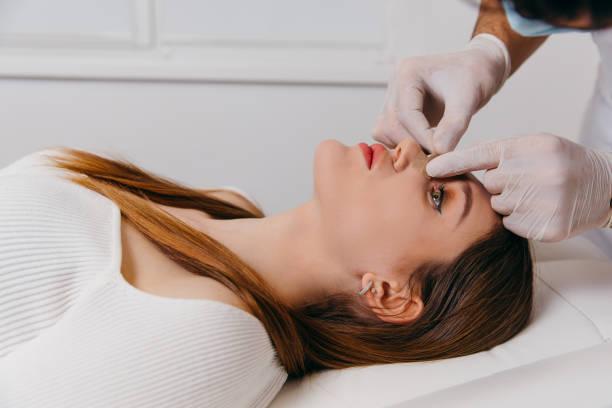
After nose surgery, recovery habits play a major role in achieving optimal results. One of the most overlooked yet crucial factors after Rhinoplasty in Riyadh (سعر عملية تجميل الأنف في الرياض) is sleep position. The way you sleep during the healing phase can directly affect swelling, comfort, and the final outcome of the procedure. Understanding the best sleeping posture helps protect the nose and supports smoother, faster healing.
This guide explains why sleeping position matters, which positions are recommended, and how to make sleep more comfortable during recovery.
Why Sleeping Position Matters After Rhinoplasty
Following rhinoplasty, nasal tissues are delicate and sensitive. Improper sleeping positions can increase swelling, cause discomfort, or even affect surgical results. The right sleeping posture helps by:
-
Reducing swelling and fluid buildup
-
Preventing accidental pressure on the nose
-
Improving blood circulation
-
Supporting proper healing of nasal structures
Adopting the correct position is a simple but powerful way to protect your investment in Rhinoplasty in Riyadh.
The Best Sleeping Position After Rhinoplasty
The most recommended sleeping position after rhinoplasty is sleeping on your back with your head elevated.
Sleeping on Your Back
Sleeping on your back keeps the nose centered and protected. This position:
-
Prevents pressure on either side of the nose
-
Reduces the risk of shifting nasal structures
-
Minimizes accidental contact during sleep
Back sleeping is strongly advised for at least the first few weeks after surgery.
Keeping the Head Elevated
Elevation is just as important as position. Keeping your head elevated helps:
-
Reduce swelling and bruising
-
Improve drainage of fluids
-
Decrease nasal congestion
Most surgeons recommend elevating the head at a 30–45 degree angle, especially during the first 7–10 days.
Sleeping Positions to Avoid
Certain sleeping positions can negatively affect recovery and should be avoided after Rhinoplasty in Riyadh.
Sleeping on Your Side
Side sleeping may put uneven pressure on the nose and increase swelling on one side. It can also cause:
-
Temporary asymmetry due to fluid accumulation
-
Discomfort and prolonged swelling
Sleeping on Your Stomach
Stomach sleeping is strongly discouraged because:
-
It increases the risk of direct pressure on the nose
-
It may disrupt nasal alignment
-
It can interfere with breathing and circulation
Avoiding these positions protects surgical results and promotes even healing.
How Long Should You Sleep Elevated?
Most patients are advised to sleep with their head elevated for at least 1–2 weeks after surgery. However:
-
Some swelling may persist for several weeks
-
Patients with thicker skin may benefit from longer elevation
-
Your surgeon may provide personalized guidance
Even after initial recovery, maintaining back sleeping for a few additional weeks can help ensure optimal results from Rhinoplasty in Riyadh.
Tips for Comfortable Sleep During Recovery
Sleeping upright or on your back may feel uncomfortable at first. These tips can help improve sleep quality:
-
Use multiple pillows or a wedge pillow for support
-
Place pillows on both sides of your body to prevent rolling over
-
Sleep on a recliner if it provides better elevation
-
Keep your bedroom quiet, cool, and dim to promote restful sleep
Creating a comfortable sleep environment helps your body focus on healing.
Managing Nasal Congestion at Night
Nasal congestion is common after rhinoplasty and can affect sleep. To manage this:
-
Use saline sprays if recommended by your surgeon
-
Stay well hydrated throughout the day
-
Avoid dry air by using a humidifier
-
Follow all prescribed nasal care instructions
Proper congestion management improves breathing and sleep comfort during recovery.
Emotional and Physical Benefits of Proper Sleep
Good sleep plays a vital role in healing. Proper sleep positioning helps:
-
Reduce stress and anxiety
-
Improve immune response
-
Support tissue regeneration
-
Enhance overall recovery experience
Patients who prioritize sleep quality often experience smoother and more predictable healing after Rhinoplasty in Riyadh.
When You Can Return to Normal Sleeping Positions
Most patients can gradually return to side sleeping after 3–4 weeks, depending on healing progress. Stomach sleeping should be avoided for a longer period until the nose is fully stable. Always follow your surgeon’s advice before changing sleep positions.
Booking a Consultation
If you are planning Rhinoplasty in Riyadh and want expert guidance on recovery, Royal Clinic Saudia ( عيادات رويال كلينك ) provides comprehensive consultations and personalized aftercare instructions. Our specialists ensure patients understand every aspect of healing—including sleep habits—to achieve safe, natural, and long-lasting results. Book your appointment today and begin your recovery journey with confidence.
FAQs:
Why Is Back Sleeping Important After Rhinoplasty?
It prevents pressure on the nose and reduces swelling during healing.
How High Should My Head Be Elevated?
A 30–45 degree elevation is generally recommended during the first week.
Can Sleeping Wrong Affect Results?
Yes, improper sleeping positions may increase swelling or disturb healing tissues.
When Can I Sleep Normally Again?
Most patients resume normal sleeping positions within a few weeks, based on recovery progress.

 English
 Arabic
 French
 Portuguese
 Deutsch
 Turkish
 Dutch
Dutch
 Italiano
 Russian
 Romaian
 Portuguese (Brazil)
 Greek
Greek
