


Modern Electronic Security Systems for Safer Homes and Businesses
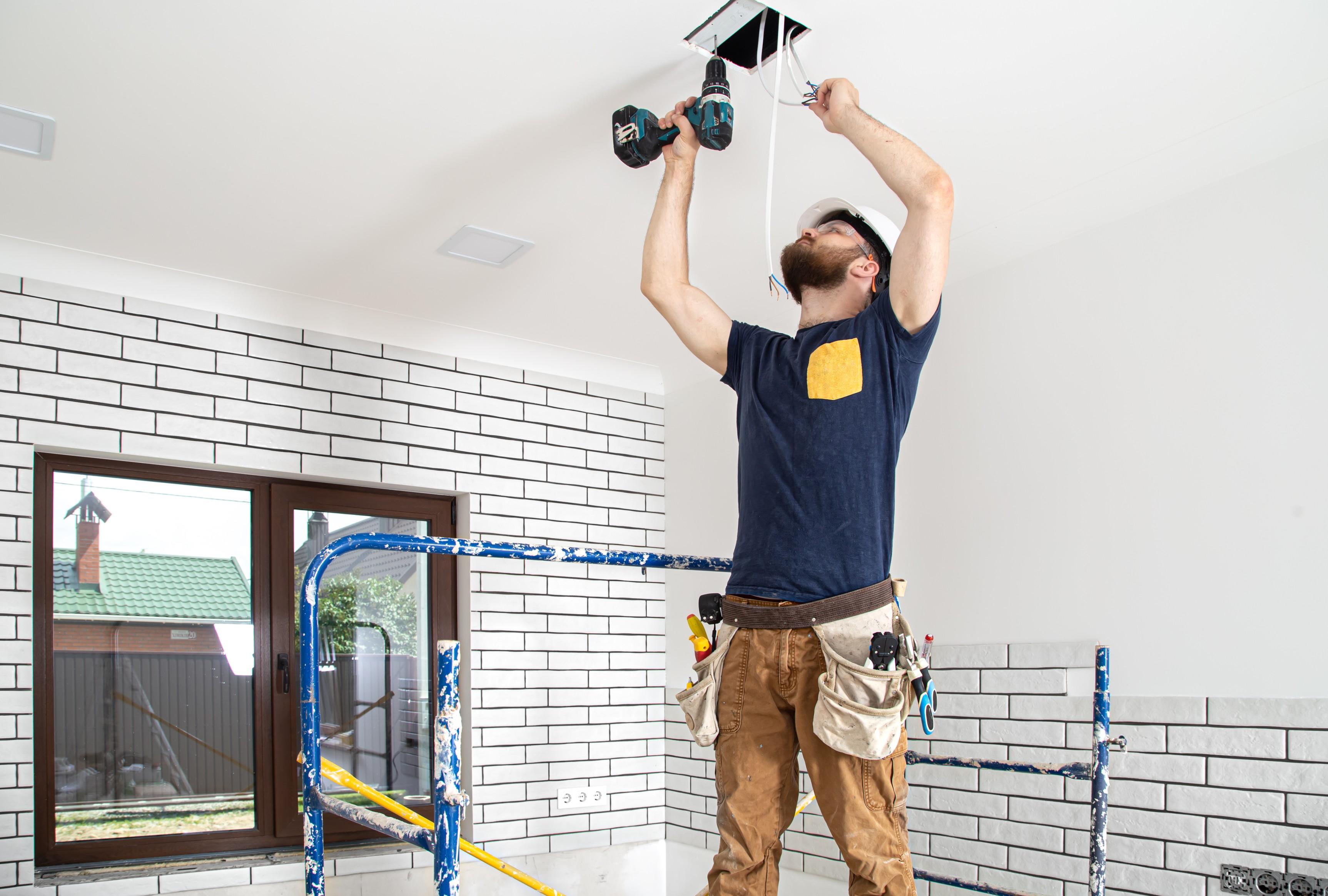
Security is no longer a luxury—it’s a necessity. As residential and commercial properties become more connected, the demand for smarter, more reliable protection has grown rapidly. Modern electronic security solutions offer far more than alarms; they provide layered protection, real-time visibility, and peace of mind in an increasingly unpredictable world.
This article explores how today’s electronic security systems work, the technologies involved, and what to consider when choosing the right solution for your property.
What Are Electronic Security Systems?
Electronic security systems use integrated devices and digital technologies to detect, prevent, and respond to unauthorised access or safety threats. These systems typically include alarms, access control, surveillance cameras, and monitoring software that work together to protect people and assets.
Unlike traditional locks or standalone alarms, modern systems are designed to be proactive. They can notify property owners instantly, trigger automated responses, and integrate with other smart building technologies.
Core Components of Modern Security Solutions
Access Control Systems
Access control manages who can enter a building and when. This may include keypads, swipe cards, biometric scanners, or mobile credentials. These systems are ideal for businesses that need to restrict sensitive areas or track staff movement.
CCTV and Video Surveillance
High-definition cameras provide continuous monitoring and recording. Advanced systems now include night vision, motion detection, remote access, and AI-powered analytics that can identify unusual behaviour or recognise faces and number plates.
Intruder and Alarm Systems
Modern alarms detect forced entry, glass breakage, or movement within protected zones. When triggered, they can alert occupants, notify monitoring centres, or contact emergency services.
Intercom and Entry Systems
Video and audio intercoms allow occupants to verify visitors before granting access. These systems are especially valuable for apartment buildings, offices, and gated properties.
Benefits of Integrated Electronic Security
Real-Time Monitoring
With mobile apps and cloud-based platforms, users can monitor their property from anywhere. Live camera feeds, instant alerts, and system status updates provide constant awareness.
Deterrence and Prevention
Visible security measures act as a strong deterrent. Properties with cameras, access control, and alarms are far less likely to be targeted by intruders.
Improved Operational Control
For businesses, security systems also improve efficiency. Access logs, attendance tracking, and automated locking schedules help streamline daily operations.
Scalability and Flexibility
Modern systems can grow with your needs. Whether expanding a business or upgrading a home, components can be added or updated without replacing the entire setup.
Residential vs Commercial Security Needs
Home Security
Homeowners often prioritise ease of use, remote access, and affordability. Smart doorbells, indoor and outdoor cameras, and mobile alerts are popular choices that provide strong protection without complexity.
Business and Industrial Security
Commercial environments require more robust solutions. These may include multi-level access control, extensive CCTV coverage, and integration with fire or safety systems. Professional planning ensures compliance with safety regulations and operational demands.
Why Professional Installation Matters
Even the most advanced system can fail if installed incorrectly. Professional installers assess site-specific risks, design optimal layouts, and ensure all components work together seamlessly. They also configure systems for reliability, cybersecurity, and future expansion.
Experienced providers such as Bond Security Group focus on tailored solutions rather than one-size-fits-all packages, ensuring each installation meets the unique needs of the property.
Choosing the Right Security System
When selecting a security solution, consider the following factors:
-
Property size and layout: Larger or multi-level sites require more comprehensive coverage.
-
Risk level: High-value assets or sensitive data demand stronger protection.
-
Integration needs: Systems should work with existing infrastructure or smart technologies.
-
Compliance and standards: Commercial properties must meet industry and safety regulations.
-
Ongoing support: Maintenance, updates, and monitoring services are essential for long-term reliability.
A professional assessment helps identify the right combination of technologies without unnecessary complexity or cost.
The Future of Electronic Security
Security technology continues to evolve rapidly. Artificial intelligence, cloud management, and Internet of Things (IoT) integration are shaping the next generation of protection. Predictive analytics, automated responses, and smarter monitoring will further reduce risks while improving convenience.
As threats become more sophisticated, so too must the solutions designed to prevent them.
Conclusion
Investing in modern electronic security is an investment in safety, efficiency, and peace of mind. Whether protecting a family home or a large commercial facility, well-designed Electronic Security Installations provide comprehensive protection through intelligent technology and professional expertise.

 English
 Arabic
 French
 Portuguese
 Deutsch
 Turkish
 Dutch
Dutch
 Italiano
 Russian
 Romaian
 Portuguese (Brazil)
 Greek
Greek
