


Why Advanced First Aid Skills Are Essential for Workplace Safety
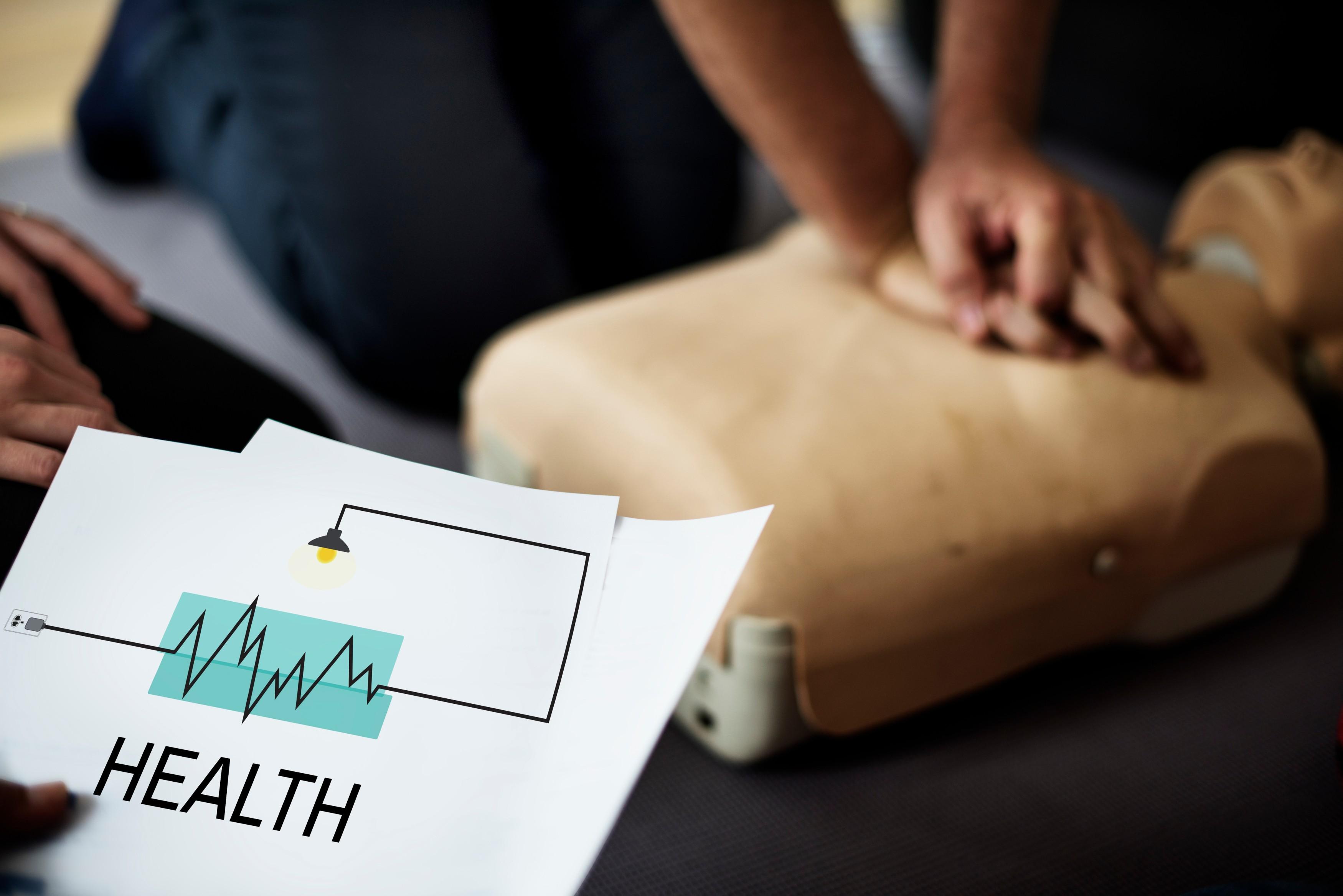
Emergencies can happen at any time, whether in the workplace, public environments, or even at home. When critical incidents occur, having the right skills can mean the difference between life and death. Basic first aid knowledge is valuable, but more complex situations require specialised skills and confidence. This is where Advanced First Aid Training becomes essential. It equips individuals with the expertise needed to manage severe injuries, medical emergencies, and high-risk situations effectively. By gaining these advanced skills, individuals and organisations can significantly improve safety standards and ensure faster, more efficient emergency responses.
Understanding Advanced First Aid Skills
Advanced first aid goes beyond the basics of treating minor injuries and handling simple emergencies. It focuses on developing the ability to assess complex medical situations and deliver immediate care until professional medical help arrives. Participants learn how to manage trauma injuries, severe bleeding, fractures, and medical conditions such as cardiac arrest, stroke, or respiratory distress.
These training programs also emphasise decision-making and situational awareness. In high-pressure situations, individuals must remain calm and follow systematic procedures to stabilise patients. Advanced training helps build this confidence and competence, allowing responders to act quickly and efficiently when every second counts.
The Importance of Workplace Preparedness
Workplaces are one of the most common locations for accidents and medical emergencies. Industries such as construction, manufacturing, and logistics carry higher risks, but even office environments can face medical incidents. Employers have a responsibility to provide safe working conditions and ensure employees are prepared for emergencies.
Implementing Advanced First Aid Training in the workplace helps organisations reduce risks and respond effectively to unexpected incidents. Trained employees can provide immediate assistance before emergency services arrive, potentially preventing complications or saving lives. Additionally, having trained personnel can help businesses meet occupational health and safety requirements while creating a culture of safety and preparedness.
Key Skills Covered in Advanced Training
Advanced first aid programs typically include a wide range of essential life-saving techniques. One of the most critical skills is cardiopulmonary resuscitation (CPR), which helps maintain blood circulation and oxygen flow during cardiac emergencies. Participants also learn how to use automated external defibrillators (AEDs), which are vital tools for restoring heart rhythm in cardiac arrest cases.
Another important component is trauma management. This includes controlling severe bleeding, managing shock, and stabilising fractures or spinal injuries. Training also focuses on managing medical emergencies such as seizures, allergic reactions, asthma attacks, and diabetic complications. By covering these diverse scenarios, advanced training prepares individuals to handle real-life emergencies with confidence and precision.
Boosting Confidence and Leadership Skills
One of the most valuable benefits of advanced first aid education is the confidence it builds. When individuals understand how to respond to emergencies, they are more likely to take action rather than hesitate. This confidence can have a significant impact during high-stress situations, where calm and effective leadership is crucial.
Training also promotes teamwork and communication skills. Responders learn how to coordinate with emergency services, provide clear instructions, and manage bystanders effectively. These leadership qualities are valuable not only in emergency situations but also in everyday professional roles.
Supporting Community Safety and Wellbeing
The benefits of advanced first aid skills extend beyond workplaces. Individuals who complete specialised training can contribute to safer communities by assisting during public emergencies, accidents, or natural disasters. Their knowledge allows them to provide immediate care, reducing the severity of injuries and improving survival outcomes.
Many reputable providers, including Growth Training Group, focus on delivering comprehensive and practical training programs designed to meet industry standards. Such training ensures participants gain hands-on experience and realistic scenario-based learning, which is essential for building real-world skills.
Staying Updated with Modern Emergency Practices
Medical guidelines and emergency response techniques continue to evolve as new research and technology emerge. Advanced first aid courses often include updated procedures, equipment handling, and best practices aligned with current healthcare standards. This ensures that trained individuals remain prepared to handle modern emergency challenges effectively.
Regular refresher courses and ongoing learning also help maintain skill levels and confidence. As emergency response techniques improve, continuous training ensures individuals remain competent and capable of delivering effective care.
Conclusion
Emergencies are unpredictable, but preparation can make all the difference. Advanced first aid education empowers individuals with the skills, knowledge, and confidence needed to respond to serious medical situations quickly and effectively. Whether in workplaces, public settings, or everyday life, these skills play a crucial role in protecting lives and reducing injury severity.
Investing in professional training not only enhances personal capability but also strengthens organisational safety standards and community wellbeing. By developing advanced emergency response skills, individuals become valuable assets during critical situations, helping create safer environments for everyone.

 English
 Arabic
 French
 Spanish
 Deutsch
 Turkish
 Dutch
Dutch
 Italiano
 Russian
 Romaian
 Portuguese (Brazil)
 Greek
Greek
