


Innovation and Premiumization in Bottled Drinking Water
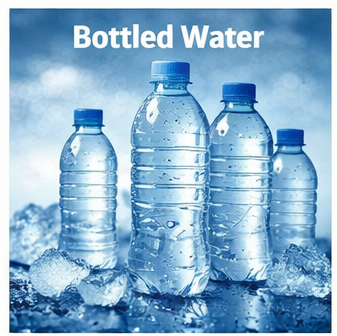
Evolving Consumer Expectations in the Bottled Water Segment
The bottled water category is undergoing a significant transformation as consumers become more health-conscious, environmentally aware, and selective about product quality. Once viewed primarily as a convenient hydration option, bottled water is now positioned as a lifestyle product tied to wellness, purity, and functionality. This shift is influencing how brands formulate, source, package, and market bottled drinking water across both mature and emerging economies.
Health awareness remains a key growth driver. Many consumers are actively reducing sugary beverage intake and turning to bottled drinking water as a cleaner, calorie-free alternative. At the same time, demand is increasing for products that offer added value, such as electrolyte balance, enhanced minerals, or naturally sourced purity. These preferences are reshaping portfolios across bottled spring water and bottled mineral water offerings.
Premiumization, Source Transparency, and Functional Innovation
Premiumization is one of the most visible trends shaping bottled water today. Consumers are paying closer attention to water source, mineral composition, and treatment methods. Bottled spring water, often marketed with emphasis on natural filtration and geographic origin, continues to attract consumers seeking authenticity and a connection to nature. Similarly, bottled mineral water is gaining traction due to its naturally occurring mineral content, which is often associated with digestive and metabolic benefits.
Brands are responding by improving source transparency, highlighting geological origins, and providing detailed labeling. Functional bottled water is another growing segment, with products infused with vitamins, oxygen, or plant-based extracts. These innovations are particularly appealing to urban consumers with active lifestyles, positioning bottled water as part of daily wellness routines rather than a basic commodity.
Sustainability and Packaging Redefine Competitive Strategy
Sustainability has moved from a differentiator to an expectation in the bottled water space. Growing scrutiny around plastic waste is pushing manufacturers to rethink packaging strategies. Lightweight bottles, higher recycled PET content, plant-based plastics, and reusable packaging formats are increasingly common. Some brands are also investing in refill stations and closed-loop recycling systems to reduce environmental impact.
Operational sustainability is also gaining importance. Water stewardship, responsible sourcing, and reduced carbon footprints are becoming integral to brand credibility. These efforts not only address regulatory and social pressures but also resonate strongly with younger consumers who expect bottled drinking water brands to demonstrate environmental accountability.
The bottled water sector continues to demonstrate strong long-term growth potential, supported by urbanization, population growth, and limited access to safe tap water in certain regions. In many developing markets, bottled drinking water remains a reliable source of safe hydration, while in developed markets, consumption is driven more by convenience and lifestyle preferences.
In terms of scale, the growth outlook remains robust. According to Grand View Research. the global bottled water market size is projected to reach USD 509.18 billion by 2030, growing at a CAGR of 6.4% from 2025 to 2030. This projection underscores the expanding role of bottled water across both household and on-the-go consumption channels, including retail, hospitality, and foodservice.
This growth trajectory reflects a combination of rising demand for bottled mineral water and bottled spring water, ongoing premiumization, and innovation in sustainable packaging. As competition intensifies, brands that balance quality, transparency, and environmental responsibility are likely to gain a stronger foothold.
Strategic Implications for the Future
Looking ahead, the bottled water landscape will be shaped by a convergence of health, sustainability, and personalization. Digital engagement, smart labeling, and data-driven supply chains will further enhance brand-consumer relationships. Companies that invest in responsible sourcing, differentiated bottled water offerings, and clear communication around product benefits will be better positioned to navigate regulatory scrutiny and evolving consumer expectations.
Ultimately, bottled water is no longer just about hydration. It has become a reflection of personal values, lifestyle choices, and trust in brand integrity—factors that will continue to define success in this dynamic and growing global market.

 Arabic
 French
 Spanish
 Portuguese
 Deutsch
 Turkish
 Dutch
Dutch
 Italiano
 Russian
 Romaian
 Portuguese (Brazil)
 Greek
Greek
