


Dewpoint Transmitter Price Guide: What You Need to Know Before Buying
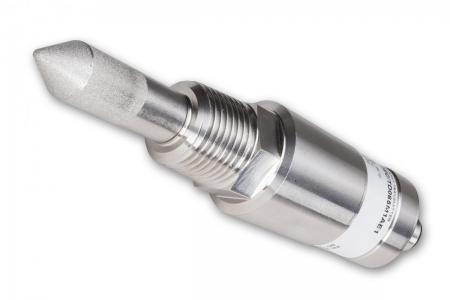
When it comes to monitoring moisture levels in industrial environments, a dewpoint transmitter plays a crucial role. Whether you are working in compressed air systems, pharmaceuticals, food processing, or HVAC applications, choosing the right device can directly impact efficiency, safety, and product quality. However, one of the most common questions buyers ask is: how much does a dewpoint transmitter cost, and what affects its price?
This comprehensive guide will walk you through everything you need to know about dewpoint transmitter pricing, including key factors, typical price ranges, and tips to help you make a smart purchase decision.
What Is a Dewpoint Transmitter?
Before diving into pricing, it’s important to understand what a dewpoint transmitter does. A dewpoint transmitter measures the temperature at which air becomes saturated with moisture, known as the dew point. This measurement is critical in environments where excess humidity can lead to corrosion, contamination, or system failure.
Unlike simple hygrometers, dewpoint transmitters are designed for continuous monitoring and often integrate with industrial control systems. They provide precise, real-time data, making them essential in demanding applications.
Average Dewpoint Transmitter Price Range
Dewpoint transmitter prices can vary widely depending on specifications, brand, and application. Here’s a general breakdown:
-
Entry-level models: $150 – $500
-
Mid-range transmitters: $500 – $1,500
-
High-end industrial units: $1,500 – $5,000+
While it might be tempting to go for the cheapest option, it’s important to consider long-term performance and reliability rather than just upfront cost.
Key Factors That Affect Dewpoint Transmitter Price
Measurement Range and Accuracy
One of the biggest factors influencing price is the measurement range. Devices designed to measure extremely low dew points (e.g., -100°C) are more expensive due to advanced sensor technology.
Higher accuracy also increases cost. For industries like pharmaceuticals or semiconductor manufacturing, even slight deviations can be unacceptable, requiring premium-grade transmitters.
Sensor Technology
Different sensor types impact both performance and price:
-
Capacitive sensors: Affordable and suitable for general applications
-
Chilled mirror sensors: Highly accurate but significantly more expensive
-
Polymer sensors: A balance between cost and performance
Advanced sensors offer better stability, faster response times, and longer lifespan, which justifies their higher price.
Build Quality and Durability
Industrial environments can be harsh. Dewpoint transmitters designed for extreme conditions—such as high pressure, temperature, or corrosive gases—are built with rugged materials like stainless steel.
These durable designs naturally increase the price but ensure longevity and reliability, reducing maintenance costs over time.
Output and Connectivity Options
Modern dewpoint transmitters often include advanced communication features such as:
-
Analog outputs (4–20 mA)
-
Digital interfaces (Modbus, RS485)
-
Wireless connectivity
Devices with multiple output options or smart connectivity features tend to cost more, but they also provide greater flexibility and integration with automation systems.
Calibration and Certification
Some industries require certified and calibrated instruments that comply with strict standards. Transmitters with factory calibration certificates or compliance with ISO standards are typically more expensive.
However, these certifications are essential in regulated industries and can save you from compliance issues.
Brand and Manufacturer Reputation
Established manufacturers often charge higher prices due to their reputation for quality, reliability, and support. While lesser-known brands may offer cheaper alternatives, they might lack consistent performance or after-sales service.
Paying a bit more for a trusted brand can be a worthwhile investment in the long run.
Hidden Costs to Consider
When evaluating dewpoint transmitter prices, it’s important to look beyond the initial purchase cost. Here are some hidden expenses you should factor in:
Installation Costs
Some transmitters require professional installation, especially in complex industrial systems.
Maintenance and Calibration
Regular calibration is necessary to maintain accuracy. This may involve service fees or purchasing calibration kits.
Replacement Parts
Sensors may degrade over time and need replacement, which adds to long-term costs.
Downtime Risks
A low-quality transmitter might fail more frequently, leading to costly downtime in critical operations.
How to Choose the Right Dewpoint Transmitter
With so many options available, selecting the right device can feel overwhelming. Here are some practical tips:
Understand Your Application
Determine the required measurement range, accuracy, and environmental conditions. For example, compressed air systems typically require different specifications than laboratory settings.
Set a Realistic Budget
While it’s important to stay within budget, avoid compromising on essential features. A slightly higher upfront cost can lead to significant savings over time.
Compare Features, Not Just Price
Look at what each model offers in terms of durability, accuracy, and connectivity. A cheaper model may lack features that are critical for your application.
Check Support and Warranty
Reliable customer support and a good warranty can make a big difference, especially for high-value equipment.
Budget vs Premium: Which One Should You Choose?
The decision between a budget and premium dewpoint transmitter depends on your specific needs.
-
Budget models are suitable for basic monitoring where extreme accuracy is not required.
-
Mid-range options offer a balance between cost and performance, ideal for most industrial uses.
-
Premium transmitters are best for critical applications where precision and reliability are non-negotiable.
If your operations depend heavily on moisture control, investing in a high-quality transmitter is often the smarter choice.
Common Mistakes to Avoid
Many buyers make avoidable mistakes when purchasing dewpoint transmitters. Here are a few to watch out for:
-
Focusing only on price: Ignoring performance can lead to higher long-term costs
-
Choosing the wrong range: A device that doesn’t match your requirements will provide inaccurate data
-
Neglecting calibration needs: Overlooking maintenance can compromise accuracy
-
Ignoring environmental factors: Not all transmitters are suitable for harsh conditions
Avoiding these pitfalls will help you make a more informed and cost-effective decision.
Future Trends in Dewpoint Transmitter Pricing
As technology advances, dewpoint transmitters are becoming more sophisticated. Features like IoT integration, remote monitoring, and predictive maintenance are increasingly common.
While these innovations may initially raise prices, they also provide greater efficiency and cost savings over time. In the long run, smart transmitters could reduce maintenance costs and improve system performance, making them a valuable investment.
Final Thoughts
Understanding dewpoint transmitter pricing is not just about finding the cheapest option—it’s about identifying the best value for your specific needs. Prices can vary significantly based on factors like accuracy, sensor technology, durability, and features.
By carefully evaluating your requirements and considering both upfront and long-term costs, you can choose a transmitter that delivers reliable performance without exceeding your budget.
In the end, the right dewpoint transmitter is an investment in efficiency, safety, and quality. Taking the time to make an informed decision will pay off in the form of better performance and fewer operational issues down the line.

 English
 Arabic
 French
 Spanish
 Portuguese
 Deutsch
 Turkish
 Dutch
Dutch
 Russian
 Romaian
 Portuguese (Brazil)
 Greek
Greek
