


Tyre Waste Management in India: A Complete Guide to EPR Waste Tyre
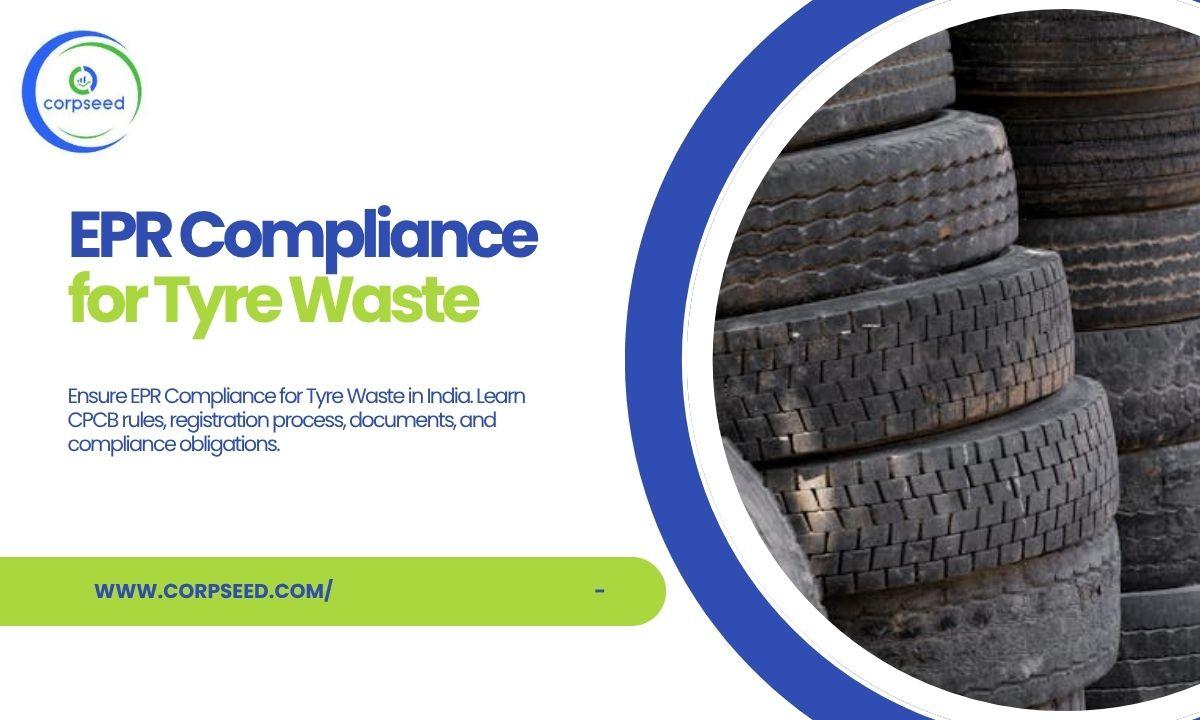
Tyre waste management has become a critical environmental concern in India due to the rapid growth of the automotive sector. Every year, millions of tyres reach the end of their life, creating serious disposal and pollution challenges. Without proper systems, these waste tyres often end up in landfills, illegal dumps, or are burned—leading to harmful emissions.
To address this issue, the government has introduced structured frameworks such as Extended Producer Responsibility (EPR). Under the concept of epr waste tyre, producers are made responsible for collecting, recycling, and disposing of waste tyres in an environmentally sound manner.
This guide explains tyre waste management, EPR compliance, legal requirements, and best practices for businesses.
What is Tyre Waste Management?
Tyre waste management refers to the systematic process of collecting, transporting, recycling, and disposing of used or end-of-life tyres (ELTs) in an environmentally responsible way.
Key Objectives
- Reduce environmental pollution
- Promote recycling and reuse
- Prevent illegal dumping and burning
- Recover valuable materials such as rubber and steel
Why Tyre Waste Management is Important
Improper disposal of tyres leads to severe environmental and health issues.
Environmental Impact
- Tyres take hundreds of years to decompose
- Release toxic chemicals when burned
- Cause soil and water contamination
Health Risks
- Breeding grounds for mosquitoes (leading to diseases)
- Air pollution from tyre burning causes respiratory issues
Economic Opportunity
- Recycled tyres can be used in:
- Road construction
- Rubber mats and flooring
- Fuel (Tyre Derived Fuel - TDF)
Understanding EPR Waste Tyre
Extended Producer Responsibility (EPR) is a policy approach where producers are responsible for managing the waste generated from their products.
What is EPR Waste Tyre?
EPR waste tyre mandates that tyre manufacturers, importers, and brand owners must ensure the collection and recycling of a certain percentage of tyres they introduce into the market.
Key Stakeholders in Tyre Waste Management
- Producers/Importers
Responsible for registering under EPR and fulfilling recycling targets for the tyres they introduce into the market. - Recyclers
Process waste tyres into reusable materials such as rubber, oil, and carbon black using approved methods. - Collection Agencies
Collect used tyres from dealers, service centers, and other sources and ensure proper channelization to recyclers. - Government Authorities
Monitor compliance, enforce regulations, and ensure proper implementation of tyre waste management rules.
EPR Compliance for Tyre Waste in India
India has introduced tyre waste management rules under the broader framework of waste management regulations.
Key Compliance Requirements
1. Registration
- Businesses must register with the Central Pollution Control Board (CPCB)
- Applies to manufacturers, importers, and brand owners
2. EPR Targets
- Annual recycling targets are assigned
- Targets increase gradually over time
3. Recycling Certificates
- Producers must purchase certificates from registered recyclers
- Certificates prove compliance with recycling obligations
4. Record Keeping
- Maintain detailed records of production and recycling
- Submit annual returns
Types of Tyres Covered Under EPR
The EPR waste tyre framework applies to various tyre categories:
- Passenger vehicle tyres
- Commercial vehicle tyres
- Two-wheeler tyres
- Off-road tyres (OTR)
- Tubes and flaps
Tyre Waste Management Process
Step-by-Step Workflow
- Collection
- Waste tyres collected from dealers, service centers, and scrap dealers
- Segregation
- Sorting based on size, type, and condition
- Transportation
- Safe movement to recycling facilities
- Recycling
- Shredding
- Pyrolysis
- Crumb rubber production
- Reuse & Recovery
- Road construction
- Industrial fuel
- New rubber products
Recycling Methods for Tyre Waste
1. Mechanical Recycling
- Tyres are shredded into small pieces
- Used for rubber products
2. Pyrolysis
- Thermal decomposition in absence of oxygen
- Produces oil, gas, and carbon black
3. Retreading
- Extends tyre life by replacing worn-out tread
Benefits of EPR Waste Tyre Compliance
Environmental Benefits
- Reduces landfill waste
- Minimizes air pollution
- Encourages circular economy
Business Benefits
- Avoid penalties and legal risks
- Enhance brand reputation
- Meet ESG (Environmental, Social, Governance) goals
Economic Benefits
- Creates recycling industry jobs
- Promotes sustainable resource use
Challenges in Tyre Waste Management
Despite regulations, several challenges remain:
- Lack of awareness among small businesses
- Informal recycling sector dominance
- Illegal dumping and burning
- Limited infrastructure in rural areas
Best Practices for Effective Tyre Waste Management
For Businesses
- Register under EPR early
- Partner with authorized recyclers
- Maintain transparent documentation
- Use digital tracking systems
For Consumers
- Dispose tyres through authorized dealers
- Avoid burning or dumping tyres
- Support recycled products
Government Initiatives and Regulations
India’s tyre waste management is governed by environmental policies and monitored by CPCB.
Key Highlights
- Mandatory EPR registration
- Digital portal for tracking compliance
- Strict penalties for non-compliance
Authoritative References
- Central Pollution Control Board (CPCB)
- Ministry of Environment, Forest and Climate Change (MoEFCC)
- United Nations Environment Programme (UNEP)
FAQs on Tyre Waste Management
1. What is tyre waste management?
Tyre waste management is the process of collecting, recycling, and disposing of used tyres in an environmentally safe manner.
2. What is EPR waste tyre compliance?
EPR waste tyre compliance requires producers to take responsibility for recycling the tyres they introduce into the market.
3. Who needs EPR registration for tyre waste?
Manufacturers, importers, and brand owners dealing with tyres must register under EPR regulations.
4. What happens if a company fails to comply with EPR?
Non-compliance can result in penalties, legal action, and business restrictions.
5. How are waste tyres recycled?
Waste tyres are recycled through shredding, pyrolysis, and retreading processes to recover usable materials.
Conclusion
Tyre waste management is no longer optional—it is a necessity for environmental sustainability and regulatory compliance. With the introduction of epr waste tyre regulations, businesses must take proactive steps to manage tyre waste responsibly.

 English
 Arabic
 French
 Portuguese
 Deutsch
 Turkish
 Dutch
Dutch
 Italiano
 Russian
 Romaian
 Portuguese (Brazil)
 Greek
Greek
