


Spray Painting vs Brushing: Which Is More Effective for Indoor Walls?
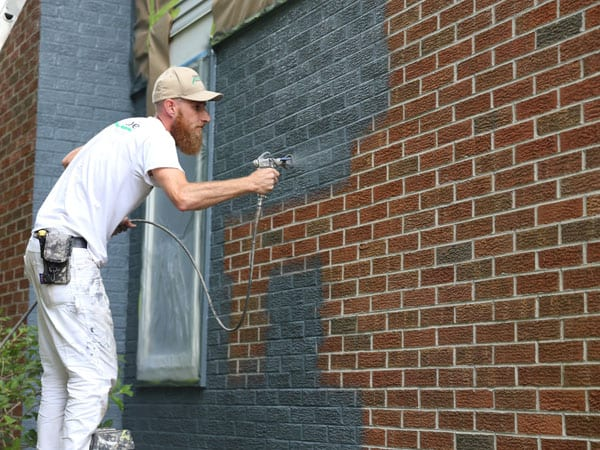
When it comes to interior wall painting, homeowners often face a dilemma: should they use spray painting or traditional brush painting? Both methods have their advantages and disadvantages, but understanding which technique offers better efficiency, finish quality, and long-term durability is essential. Spray painting walls indoors has gained popularity in recent years due to its speed and ability to provide a smooth, uniform finish. On the other hand, brushing remains a trusted method for precision work and smaller areas. Evaluating the effectiveness of spray painting versus brushing involves examining preparation time, paint coverage, cost, and the overall visual appeal of the finished surface. Choosing the right method can significantly impact the aesthetics and maintenance of interior walls. Additionally, homeowners need to consider ventilation and safety measures when spraying indoors. In this article, we will explore the benefits, challenges, and best practices of both methods to help you make an informed decision.
1. Understanding Spray Painting for Indoor Walls
Spray painting involves using a spray gun or aerosol can to apply paint evenly across a surface. Unlike brushing, spray painting delivers a fine mist of paint that can cover large areas quickly. This method minimizes brush strokes and ensures a professional-looking finish, which is especially beneficial for modern interior designs. Spray painting is ideal for smooth walls, ceilings, and even furniture that requires a flawless coat. It works well with latex, acrylic, and oil-based paints, offering versatility for different indoor projects. However, proper surface preparation, including cleaning and priming, is critical for optimal adhesion. Spray painting also requires careful masking of furniture, floors, and fixtures to prevent overspray. Adequate ventilation is crucial, as indoor fumes from paint can be hazardous. Overall, understanding how spray painting works can help homeowners achieve better results and save time on large-scale wall projects.
2. Advantages of Spray Painting Indoors
Spray painting provides several advantages over brushing, particularly in speed and finish quality. Large walls can be painted in a fraction of the time it takes with a roller or brush. The even application reduces the risk of streaks, bubbles, or uneven layers, resulting in a more polished look. Spray painting also allows for better coverage in textured areas or corners that are difficult to reach with brushes. It is perfect for achieving modern, sleek finishes without the visible lines brushes often leave behind. Additionally, spray painting reduces the physical strain associated with repetitive brushing motions. For homeowners seeking efficiency, spray painting minimizes labor while providing professional-grade results. Using spray paint indoors also enhances the consistency of color across different surfaces. Despite higher initial costs, the long-term benefits often justify the investment.
3. Challenges of Spray Painting Indoors
While spray painting is effective, it comes with certain challenges, especially in indoor environments. Overspray can lead to paint settling on furniture, floors, or fixtures if proper masking and covering techniques aren’t applied. Ventilation is critical to prevent inhalation of fumes, which can be hazardous without protective equipment. Spray painting requires a steady hand and practice to maintain an even coat, as uneven spraying can cause drips or runs. The equipment, such as compressors and spray guns, can be expensive and may require maintenance. Cleanup after spraying is more complex than brushing, as paint residue can accumulate in the nozzle or on surfaces. Additionally, spray painting indoors may trigger paint odors that linger for days if proper air circulation isn’t maintained. These factors should be considered before opting for spray painting, especially in small or poorly ventilated rooms.
4. Understanding Brushing and Roller Techniques
Brushing and rolling are traditional painting methods widely used for indoor walls. Brushes are ideal for precision work, such as corners, trims, and edges, where spray painting may not reach effectively. Rollers cover larger flat surfaces efficiently and provide a uniform texture. Brushing allows for better control of paint thickness, which can prevent drips and uneven layering. It is a cost-effective method, as it requires minimal equipment and cleanup is simpler. Unlike spray painting, brushing is less dependent on ventilation, making it safer for small or enclosed spaces. However, brushing and rolling are more time-consuming and may leave visible strokes if not applied carefully. Understanding these techniques helps homeowners decide whether a hands-on approach is more suitable than a faster spray painting method.
5. Advantages of Brushing Indoors
Brushing offers precise control over the paint application, making it ideal for detailed work on trims, moldings, and corners. It allows homeowners to apply multiple coats easily and ensures better penetration of paint into textured surfaces. Brushing is cost-effective since it does not require expensive spray equipment or additional safety gear. It also reduces the risk of paint overspray, protecting furniture and flooring from accidental stains. Brushing is ideal for smaller rooms or areas with complex layouts where a spray gun would be inefficient. Additionally, it allows for easy touch-ups, making maintenance simpler in the long run. For beginners, brushing can be more forgiving than spray painting, as mistakes can be corrected without specialized equipment. Despite being slower, the control and accuracy provided by brushing remain its biggest advantages.
6. Comparing Cost and Efficiency
Cost and efficiency play a significant role in deciding between spray painting and brushing. Spray painting may require an upfront investment in equipment, such as a high-quality spray gun and compressor. Paint consumption is typically higher due to overspray, and additional masking materials may increase costs. However, it saves considerable time, especially on large walls, which can offset the initial expenses. Brushing and rolling are more budget-friendly upfront and reduce paint waste. They require less preparation and cleanup but take significantly longer to complete the same area. Efficiency is highly dependent on the room size, paint type, and skill level of the painter. For large projects with smooth walls, spray painting can be more effective, while smaller, detailed spaces benefit from brushing techniques.
7. Finish Quality and Aesthetic Appeal
The finish quality is a critical factor when choosing a painting method. Spray painting creates a seamless, smooth, and professional appearance that is difficult to achieve with brushes. It eliminates brush marks and ensures consistent coverage, especially on textured or uneven surfaces. Brushing, while precise, may leave streaks or lines if not applied carefully, which can affect the overall aesthetics. Some homeowners prefer the subtle texture that brushes leave behind, as it adds character to walls. Spray painting is preferable for modern interiors requiring flawless finishes, whereas brushing suits classic or rustic designs. Combining both methods can also be effective, using spray painting for large surfaces and brushing for detailed areas. Ultimately, the desired aesthetic and room style determine the best approach for wall painting.
8. Safety Precautions for Indoor Painting
Safety is crucial when painting indoors, regardless of the method used. Spray painting generates fumes that can be harmful if inhaled, making ventilation essential. Using respirators, gloves, and protective eyewear is highly recommended. Brushing requires fewer protective measures but still demands caution when handling paints with strong odors or chemical solvents. Both methods benefit from covering furniture, floors, and fixtures to prevent paint stains. Adequate lighting ensures better visibility and reduces mistakes. Keeping children and pets away from the painting area minimizes accidents. Following manufacturer guidelines for paint application, drying times, and cleanup ensures safety and longevity of the painted walls. Proper preparation and protective measures help homeowners achieve excellent results while maintaining a safe environment.
10. Tips for Achieving the Best Indoor Wall Painting Results
-
Prepare the surface properly: Clean walls, remove dust, grease, and old flaking paint for better adhesion.
-
Use primer when needed: Especially on new walls or patched areas to ensure uniform coverage.
-
Choose the right paint: Latex or acrylic for easy cleanup, oil-based for durability, depending on room use.
-
Mask furniture and fixtures: Cover floors, furniture, and edges to prevent overspray or paint splatter.
-
Ventilate the room: Open windows or use fans to reduce fumes, particularly during spray painting.
-
Apply multiple thin coats: Prevents drips and ensures even coverage for both brushing and spraying.
-
Maintain consistent technique: Use steady, overlapping strokes for brushes or spray guns for smooth finishes.
-
Allow adequate drying time: Between coats to avoid peeling, uneven color, or texture issues.
-
Clean tools immediately: Brushes, rollers, and spray equipment should be cleaned as per paint type to prolong tool life.
9. Conclusion: Which Method Is More Effective?
Deciding whether spray painting or brushing is more effective for indoor walls depends on the project size, desired finish, and available resources. Spray painting excels in speed, coverage, and smooth finishes, making it ideal for large, modern interiors. Brushing offers precision, affordability, and better control for detailed areas, corners, and small rooms. Many professionals recommend a combination of both methods for optimal results, using spray painting for the main walls and brushing for edges, trims, and hard-to-reach areas. Homeowners should also consider safety, ventilation, and equipment costs before selecting a method. Ultimately, the most effective approach balances efficiency, aesthetics, and practicality to achieve beautiful, long-lasting indoor walls.

 English
 Arabic
 French
 Spanish
 Portuguese
 Deutsch
 Dutch
Dutch
 Italiano
 Russian
 Romaian
 Portuguese (Brazil)
 Greek
Greek
