


How Can Food Hygiene Tips Improve Customer Safety?
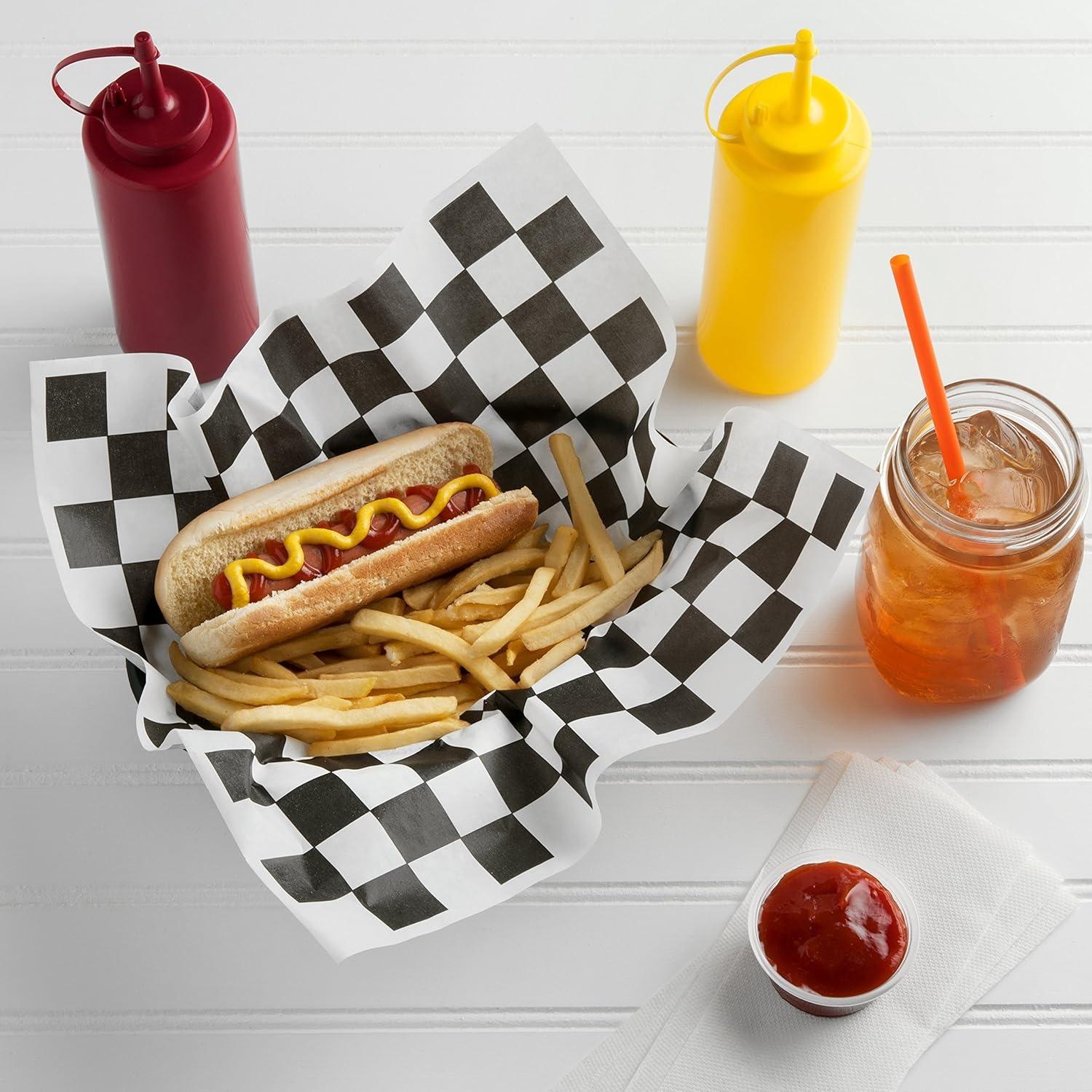
Keeping food clean protects people from getting sick after eating at restaurants. Bad cleaning habits cause stomach problems and worse illnesses in many customers yearly. Simple steps during cooking and serving prevent most health issues from happening. People trust places that show they care about keeping everything super clean. Food hygiene tips help business owners avoid problems that could shut them down. Learning basic cleanliness rules keeps your customers happy and coming back often. This information shows you easy ways to make eating safer for everyone.
Why Must Kitchen Workers Wash Hands Multiple Times Daily?
Dirty hands spread germs from one thing to another really fast. Workers touch phones and door handles that carry invisible bacteria everywhere. Washing removes these bad germs before anyone touches ingredients or ready dishes. Staff needs to scrub for at least 20 seconds using soap each time. After bathroom breaks or handling trash workers must wash again immediately. Most sickness problems start because someone skipped this basic cleaning step completely.
How Do Cold Temperatures Keep Food Fresh Longer?
Refrigerators slow down how fast bacteria can grow inside your ingredients. Foods left out on counters become unsafe within just two hours usually. Meat and dairy products always need extra cold storage below 40 degrees. Checking fridge temperatures daily catches equipment problems before food goes bad inside. Frozen items stay safe much longer than refrigerated ones do normally. Cold storage gives you more time to use ingredients before they spoil.
What Happens When Cutting Boards Mix Different Foods?
Raw chicken juice on a board can make salad ingredients dangerous afterward. Using one board for everything spreads bacteria between different meal components. Smart kitchens keep separate boards labeled for meat and vegetables clearly. Washing boards between uses removes some germs but not all of them. Color coding helps workers remember which board to grab without thinking hard. This simple system stops cross contamination that makes people really sick later.
Why Does Cooking Temperature Matter So Much?
Heat kills bacteria living inside raw meat and other ingredients naturally. Different foods need different internal temperatures to become completely safe for eating. Chicken must reach 165 degrees while beef only needs 145 degrees inside. Using a thermometer gives you exact numbers instead of just guessing randomly. Undercooked food looks done but still carries harmful germs that survive. Proper cooking is one of the most important food hygiene tips anywhere.
How Can Smart Storage Prevent Waste And Sickness?
Organizing fridges correctly keeps raw items away from cooked dishes completely. Bottom shelves work best for raw meats so drips cannot fall down. Custom food paper liners protect stored items from touching contaminated surfaces underneath them. Labeling everything with dates tells workers what to use first each day. Rotation systems make sure nothing sits too long and becomes unsafe gradually. Good organization means less thrown away food and fewer customer complaints overall.
What Cleaning Products Work Best Against Kitchen Germs?
Regular dish soap removes visible dirt but does not kill all bacteria. Sanitizers contain chemicals that destroy germs by regularly washing leaves behind on surfaces. Different areas need different strength cleaners depending on what touches them daily. Food contact surfaces require food safe sanitizers that will not poison anyone. WaxPapersHub offers cleaning compatible materials that maintain safety standards during busy hours. Reading product labels ensures you use correct cleaners in the right places.
Why Should Sick Employees Stay Home From Work?
Workers with fevers or stomach bugs spread their illness through food easily. One sick person can infect dozens of customers in a single shift. USA health departments require workers to report certain symptoms before working again. Managers must create policies that encourage honesty about health problems happening. Paying sick leave helps workers feel okay about staying home when needed. Protecting customers means sometimes working short staffed for a few days temporarily.
How Often Should Deep Cleaning Happen In Kitchens?
Daily surface wiping handles obvious messes but misses hidden problem areas completely. Weekly deep cleans reach behind equipment where grime builds up slowly. Monthly professional cleaning catches things regular staff might overlook or miss entirely. Floors and drains need special attention because they trap organic matter constantly. Quality food packaging areas also need regular inspection for cleanliness and proper function. Scheduled cleaning prevents small issues from becoming major health violations later on.
Conclusion
Following food hygiene tips protects customers from dangerous illnesses every single day. Hand washing and temperature control form your first defense against contamination problems. Separate cutting boards and proper cooking kill bacteria before dishes reach tables. Smart storage and right cleaning products maintain safety between meal service times. Keeping sick workers home and scheduling deep cleans prevents many avoidable issues. These practices build customer confidence and keep health inspectors satisfied with operations. Start with one improvement today and add more as habits form naturally. Clean kitchens create successful businesses that grow through positive reputation and word of mouth.

 English
 Arabic
 French
 Portuguese
 Deutsch
 Turkish
 Dutch
Dutch
 Italiano
 Russian
 Romaian
 Portuguese (Brazil)
 Greek
Greek
