Balloon Catheter Market Size & Forecast 2026–2034
The global balloon catheter market is witnessing strong and sustained expansion, fueled by rising cardiovascular and urological disease cases, rapid adoption of minimally invasive procedures, and continuous product innovation. According to Renub Research, the market is projected to grow from US$ 4.86 billion in 2025 to US$ 8.77 billion by 2034, registering a CAGR of 6.78% from 2026 to 2034.
Download Free Sample Report:https://www.renub.com/request-sample-page.php?gturl=balloon-catheter-market-p.php
The increasing burden of chronic diseases, expanding healthcare infrastructure, and improved awareness among patients and clinicians are accelerating demand across developed and emerging markets alike. As healthcare systems shift toward safer, faster, and cost-effective treatment approaches, balloon catheter technologies are becoming central to interventional medicine.
Balloon Catheter Market Outlook
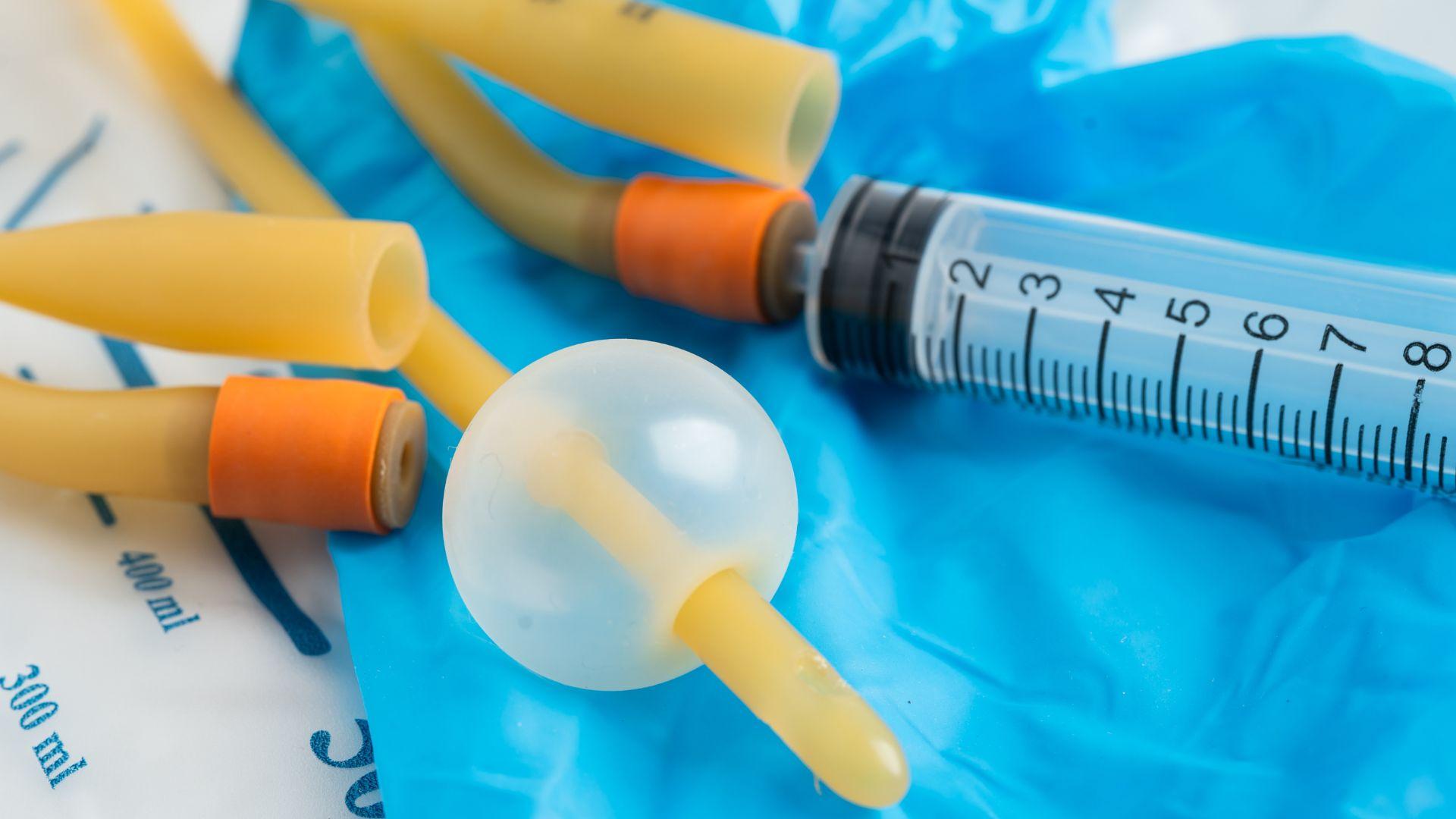
A balloon catheter is a flexible, medical-grade tube equipped with an inflatable balloon at its tip. It is primarily used to widen narrowed or blocked body vessels and ducts, restoring normal flow and function. These devices play a critical role in:
During procedures such as angioplasty, the balloon is guided to the affected area and inflated to dilate the vessel. This allows for improved blood circulation and often facilitates stent placement.
The global shift toward minimally invasive surgeries has significantly boosted balloon catheter adoption. Compared to traditional open surgeries, catheter-based interventions offer:
-
Shorter recovery periods
-
Reduced hospital stays
-
Lower complication risks
-
Minimal scarring
Additionally, technological advancements—including drug-coated balloons, high-pressure balloons, and scoring balloon designs—have enhanced precision, safety, and procedural success rates.
Key Growth Drivers
Rising Prevalence of Cardiovascular and Peripheral Vascular Diseases
Cardiovascular diseases (CVDs) remain among the leading causes of mortality worldwide. Aging populations, sedentary lifestyles, obesity, diabetes, and hypertension are driving the increasing incidence of:
Balloon catheters are essential in angioplasty procedures to restore blood flow in narrowed vessels. As awareness of early diagnosis and intervention increases, procedural volumes continue to rise.
Globally, approximately 19.8 million deaths were attributed to cardiovascular diseases in 2022, accounting for nearly one-third of total deaths. The majority were caused by heart attacks and strokes. This alarming burden ensures sustained demand for interventional devices such as balloon catheters across hospitals and specialty cardiac centers.
Shift Toward Minimally Invasive and Outpatient Procedures
Healthcare systems worldwide are prioritizing minimally invasive solutions that reduce costs and improve patient outcomes. Balloon catheter-based procedures have become widely accepted due to their efficiency and reduced recovery time compared to open surgical alternatives.
Outpatient and ambulatory surgical centers are increasingly performing angioplasty and vascular interventions, further driving demand. These facilities focus on cost-effective treatment models, where balloon catheter technologies align perfectly with efficiency goals.
The broader shift toward patient-centric care, faster discharge times, and enhanced procedural safety is reinforcing the role of balloon catheters in modern medicine.
Technological Advancements and Product Innovation
Continuous innovation remains a defining feature of the balloon catheter market. Manufacturers are investing in:
-
High-strength nylon and semi-compliant materials
-
Drug-eluting balloon technologies
-
Scoring and cutting balloon designs
-
Enhanced shaft flexibility and trackability
These advancements improve precision in treating complex and calcified lesions. Drug-coated balloons, in particular, help reduce restenosis rates, improving long-term clinical outcomes.
Recent regulatory approvals and product launches highlight strong industry momentum. Innovations focused on durability, burst pressure resistance, and controlled dilation are expanding clinical applications and increasing physician confidence.
Challenges in the Balloon Catheter Industry
Procedural Risks and Device-Related Complications
Despite technological progress, balloon catheter procedures carry inherent risks. Potential complications include:
-
Vessel dissection
-
Vessel rupture
-
Restenosis
-
Balloon rupture
Complex or heavily calcified lesions increase procedural difficulty and risk. Inappropriate device selection can further compromise outcomes. These risks necessitate advanced training, careful patient assessment, and continued product refinement.
While complication rates are generally low in experienced hands, safety concerns remain a challenge for broader adoption in certain regions.
Pricing Pressure and Reimbursement Constraints
Intense competition among manufacturers has led to pricing pressures across global markets. Healthcare systems, particularly in cost-sensitive regions, emphasize cost containment, limiting the adoption of premium or next-generation balloon technologies.
In some countries, reimbursement frameworks may not fully cover advanced devices, creating financial constraints for healthcare facilities. These reimbursement challenges can slow market penetration of innovative but higher-priced balloon catheter products.
Segment Analysis
Normal Balloon Catheter Market
Normal balloon catheters remain the most widely used devices in interventional cardiology and peripheral vascular procedures. Their simple design, cost-effectiveness, and reliability make them first-line tools in routine angioplasty.
They are extensively used in coronary, renal, and peripheral artery interventions. As cardiovascular disease prevalence rises globally, demand for standard balloon catheters remains stable and consistent.
Scoring Balloon Catheter Market
Scoring balloon catheters are designed with specialized scoring elements or wires on the balloon surface. These features create controlled plaque modification during inflation, enabling predictable vessel expansion.
They are particularly effective in complex or calcified lesions, reducing balloon slippage and improving procedural accuracy. Growing adoption of advanced interventional techniques is driving increased demand in this segment.
Coronary Artery Disease Application
Balloon catheters are central to treating coronary artery disease (CAD). During percutaneous coronary interventions (PCI), balloon dilation is typically performed prior to stent placement.
Given that CAD remains one of the leading global health challenges, balloon catheter usage in coronary interventions continues to represent a significant portion of total market demand.
Nylon Balloon Catheter Market
Nylon-based balloon catheters are valued for their strength, durability, and high burst-pressure capability. These features allow controlled and precise dilation, particularly in high-pressure applications.
Manufacturers increasingly use advanced nylon materials to enhance product reliability and clinical performance, making this segment significant within the broader market.
Balloon Catheter Clinics Market
Clinics and ambulatory surgical centers are becoming important end users. The migration of procedures from large hospitals to outpatient facilities reflects broader healthcare efficiency trends.
Shorter recovery times, reduced costs, and increasing availability of skilled interventional cardiologists are supporting the expansion of balloon catheter use in clinical settings worldwide.
Regional Insights
United States
The United States represents the largest balloon catheter market globally. A high burden of cardiovascular diseases, advanced interventional cardiology infrastructure, and strong insurance coverage drive demand.
Frequent product approvals and strong R&D activity reinforce innovation. The trend toward minimally invasive cardiac care continues to strengthen the U.S. market position.
United Kingdom
The UK market benefits from National Health Service (NHS) initiatives aimed at improving procedural efficiency and reducing hospital stays. Rising cardiovascular disease prevalence and an aging population contribute to growing angioplasty volumes.
Although cost-control measures influence device selection, sustained investment in advanced medical technologies supports continued market expansion.
India
India’s balloon catheter market is rapidly expanding due to increasing cardiovascular disease incidence and improving healthcare infrastructure. Growth in private hospitals, medical tourism, and the availability of skilled cardiologists are major contributors.
Government support for healthcare modernization and increasing awareness of early cardiac intervention are expected to drive long-term demand.
Saudi Arabia
Saudi Arabia’s balloon catheter market is expanding under Vision 2030 healthcare transformation initiatives. Government investments in cardiac centers and advanced diagnostic programs are enhancing interventional cardiology capacity.
Rising cardiovascular disease prevalence and expanded screening initiatives are boosting procedural volumes. While the market depends heavily on imports, public–private partnerships and international collaborations are improving access to advanced technologies.
Market Segmentation
By Product Type
-
Normal
-
Drug Eluting
-
Cutting
-
Scoring
-
Stent Graft
-
Others
By Indication
By Raw Material
-
Polyurethane
-
Nylon
-
Others
By End-User
By Region
-
North America
-
Europe
-
Asia Pacific
-
Latin America
-
Middle East & Africa
Competitive Landscape
Key companies operating in the balloon catheter market are evaluated based on overviews, key persons, recent developments, SWOT analysis, and revenue performance.
Major players include:
These companies focus on technological advancement, product differentiation, and geographic expansion to maintain competitive advantage.
Final Thoughts
The balloon catheter market is on a strong growth trajectory, projected to reach US$ 8.77 billion by 2034, growing at a CAGR of 6.78%. Rising cardiovascular disease prevalence, rapid adoption of minimally invasive procedures, and continuous product innovation are reshaping interventional healthcare globally.
While procedural risks and pricing pressures present challenges, advancements in materials, drug-coated technologies, and precision design continue to improve outcomes and physician confidence.
As healthcare systems worldwide prioritize efficient, patient-centered treatment approaches, balloon catheters will remain a cornerstone of modern cardiovascular and vascular care.




 English
 Arabic
 French
 Spanish
 Portuguese
 Deutsch
 Turkish
 Dutch
Dutch
 Italiano
 Russian
 Portuguese (Brazil)
 Greek
Greek
