


Inside a Modern Auto Salvage Yard: Technology, Teamwork, and Treasure Hunting
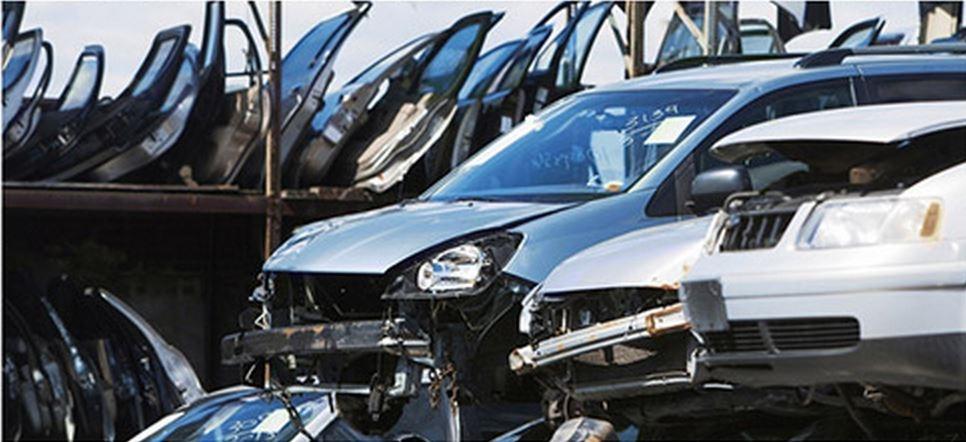
Many people think a salvage yard is just a dusty block of land filled with old cars. They imagine broken vehicles stacked on top of each other with little order. This picture is no longer correct.
A modern auto salvage yard in Australia is a well organised operation. It uses machinery, skilled workers, and safety systems to recover metal and reusable parts from vehicles that no longer run. These yards play a key role in recycling and waste reduction across the country.
Every year, thousands of vehicles reach the end of their life on Australian roads. Instead of going to landfill, most of these cars enter the salvage and recycling system. Inside these yards, there is far more happening than many people realise.
https://www.cashforcarbrisbane.com.au/
The Journey of a Vehicle into a Salvage Yard
The process begins when a vehicle owner decides to dispose of a car. The car may be damaged in a crash, affected by floods, or simply too old to repair. Once it arrives at the yard, it does not go straight to crushing.
First, staff record the vehicle details. This includes the make, model, and condition. Proper records help track parts and meet legal rules. In Australia, operators must follow environmental and safety laws when handling end of life vehicles.
After registration, the car moves to a depollution area. This stage is very important.
Removing Fluids and Hazardous Materials
Modern salvage yards do not allow harmful fluids to leak into the ground. Cars contain engine oil, brake fluid, coolant, fuel, and transmission fluid. If these liquids enter soil or water, they can cause serious pollution.
Workers use special equipment to drain these fluids safely. Fuel is stored in approved containers. Oil and coolant are collected for treatment or recycling.
Car batteries are removed early in the process. Lead acid batteries contain lead and sulphuric acid. Both substances can harm the environment if not handled with care. Tyres are also removed and sent for recycling or reuse.
These steps reduce environmental risk and prepare the vehicle for dismantling.
Dismantling and Parts Recovery
After fluids are removed, the vehicle moves to the dismantling area. This is where teamwork becomes clear. Skilled workers inspect the car and decide which parts can be reused.
Engines, gearboxes, alternators, and starter motors are often removed first. Doors, mirrors, bumpers, and headlights are also taken off. Each part is checked for damage. If it passes inspection, it is cleaned and stored.
Used parts play a major role in the Australian repair market. Many drivers own cars that are ten years old or more. New parts can cost a large amount of money. Reused components provide another option for keeping these vehicles on the road.
Car Wreckers Brisbane are known for supplying tested used parts to mechanics and car owners. Their work supports repair workshops and reduces the demand for new manufacturing.
Technology in the Modern Salvage Yard
Technology has changed how salvage yards operate. Many yards now use computer systems to track inventory. Each part removed from a vehicle is logged into a database. This system records the part type, condition, and storage location.
Some yards use barcode labels to manage stock. When a part is sold, it is scanned and removed from the system. This reduces errors and helps manage thousands of items at once.
Heavy machinery also plays a key role. Forklifts move vehicles around the yard. Hydraulic tools help remove large components. Car crushers compress empty shells after usable parts are taken out.
Magnetic separators are used to sort metals. Steel is separated from non ferrous metals such as aluminium and copper. These metals are then sent to recycling plants.
The Metal Recycling Process
Cars are made mostly of steel. Steel is one of the most recycled materials in the world. It can be melted and reused many times without losing strength.
Recycling steel saves large amounts of energy. Producing steel from recycled scrap uses much less energy than making it from iron ore. This reduces greenhouse gas emissions and lowers the need for mining.
Apart from steel, vehicles contain aluminium in engine blocks and wheels. Aluminium recycling uses far less energy than producing new aluminium from raw bauxite. Copper from wiring is also recovered and reused in electrical products.
In Australia, up to 90 per cent of a vehicle can be recycled or reused. This makes auto salvage yards an important part of the circular economy.
Safety and Team Coordination
A modern salvage yard depends on teamwork. Workers must follow clear safety rules. Heavy parts, sharp metal edges, and machinery create risks if not managed well.
Staff wear protective clothing such as gloves, boots, and eye protection. Training is important. Workers learn how to handle tools and equipment correctly.
Clear communication keeps the yard running well. Drivers, machine operators, and dismantlers work together to move vehicles through each stage of the process.
Without coordination, the yard would become disorganised. With proper planning, each car moves from arrival to final crushing in an orderly way.
Treasure Hunting Among Scrap
One of the most interesting parts of a salvage yard is the search for hidden worth. Some vehicles contain rare or hard to find parts. Older models may no longer have new parts available through dealers.
Collectors often look for original components for classic cars. Even small items such as badges or interior trims can have strong demand.
There are also valuable metals inside modern vehicles. Hybrid and electric cars contain different materials, including lithium based batteries. As the number of electric vehicles grows in Australia, salvage yards are adapting to handle these new technologies.
Treasure hunting in a salvage yard is not about gold coins. It is about finding parts and materials that still have purpose.
Supporting Car Owners at the End of a Vehicle’s Life
For many people, an old or damaged car becomes a burden. It may sit unused in a driveway. Repairs may cost more than the car is worth.
Services such as Cash for Cars Brisbane provide a practical option for vehicle owners who want to remove unwanted cars. The vehicle is collected and taken into the recycling system, where its parts and metals are recovered. This process links car owners with the wider salvage network and ensures that the vehicle is handled in line with environmental standards.
By choosing this path, owners take part in a cycle that reduces waste and supports local industry.
The Bigger Picture
Auto salvage yards are not random collections of scrap. They are organised sites where technology and teamwork meet recycling goals. They protect the environment by removing harmful fluids. They recover metals that reduce the need for new mining. They supply used parts that keep older cars running.
Across Australia, these yards handle thousands of vehicles each year. Each car that enters the gate goes through a structured process. Fluids are drained. Parts are removed. Metals are sorted. The empty shell is crushed and sent for recycling.
What looks like a field of old cars is in fact a busy centre of recovery and reuse. Inside a modern auto salvage yard, there is planning, skill, and constant activity.

 English
 Arabic
 French
 Spanish
 Portuguese
 Deutsch
 Turkish
 Italiano
 Russian
 Romaian
 Portuguese (Brazil)
 Greek
Greek
